Feature Homes

Summer 2025 Feature Home

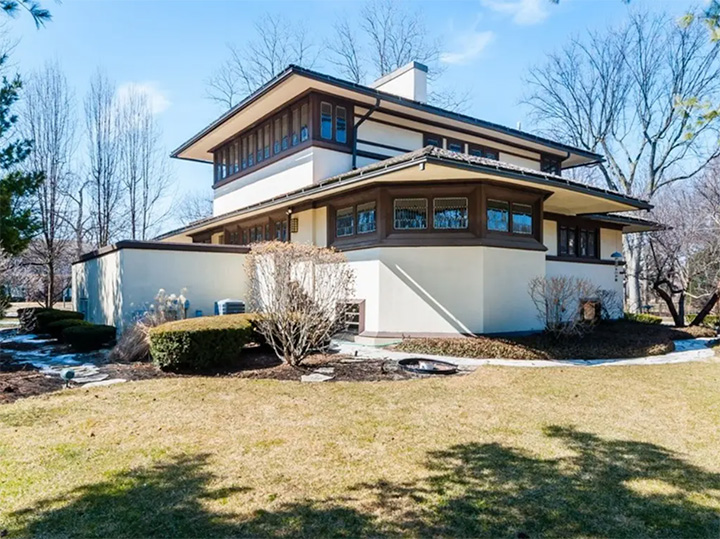
Frank B. Henderson House

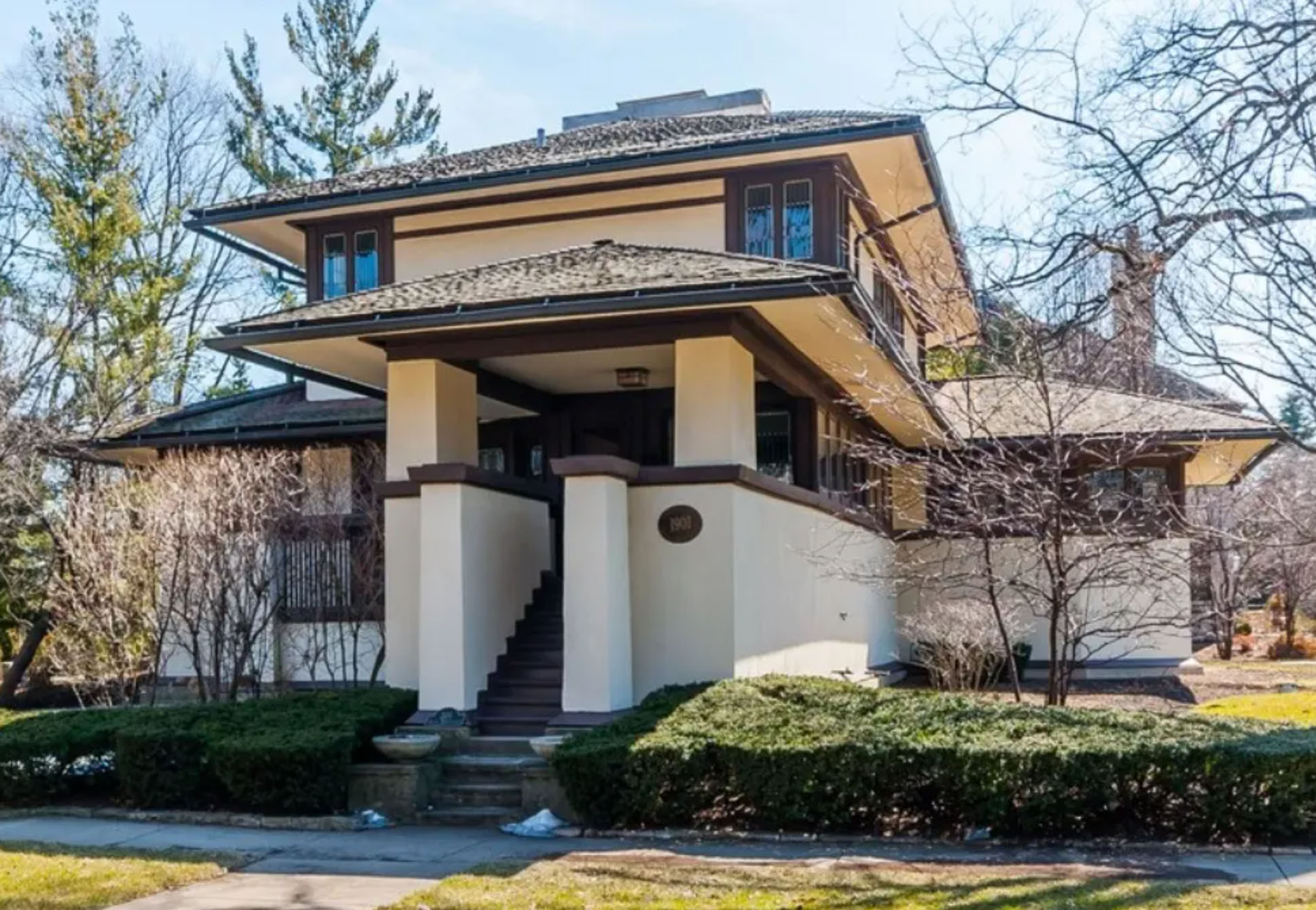
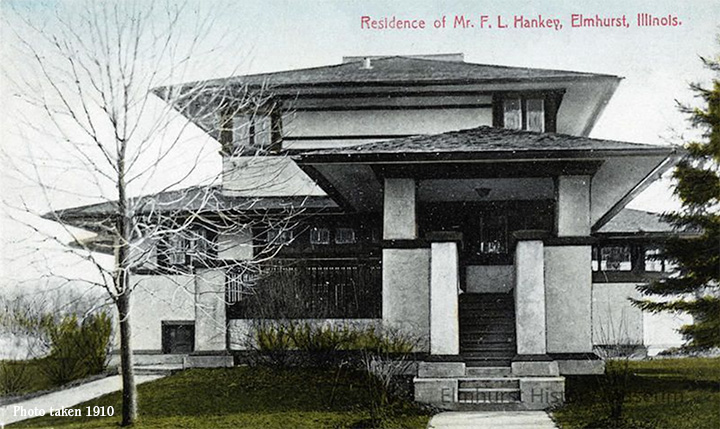
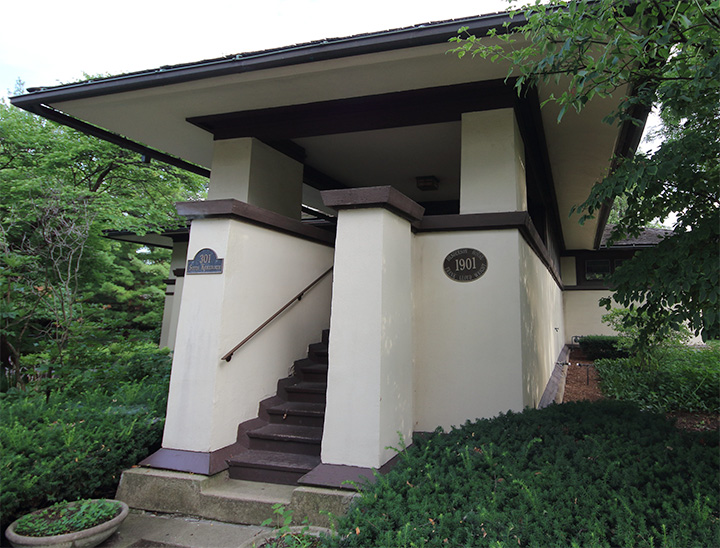
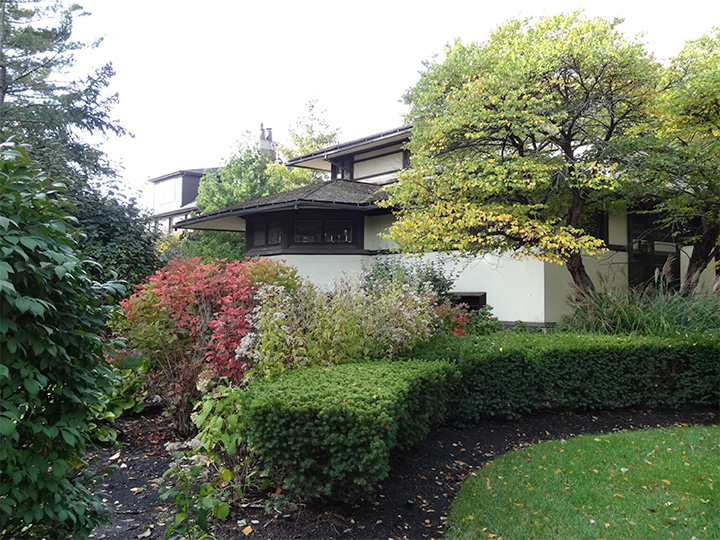
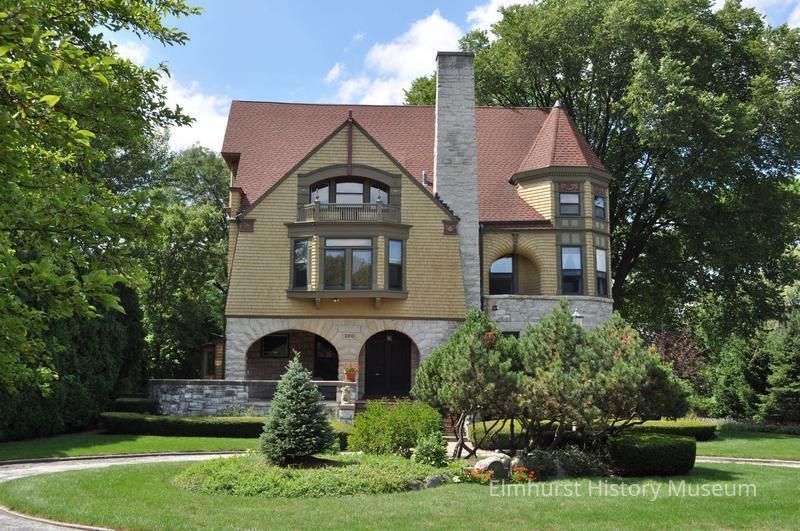
Listed on the National Register of Historic Places, this early work of renowned architect Frank Lloyd Wright can be found at 301 S. Kenilworth Avenue.

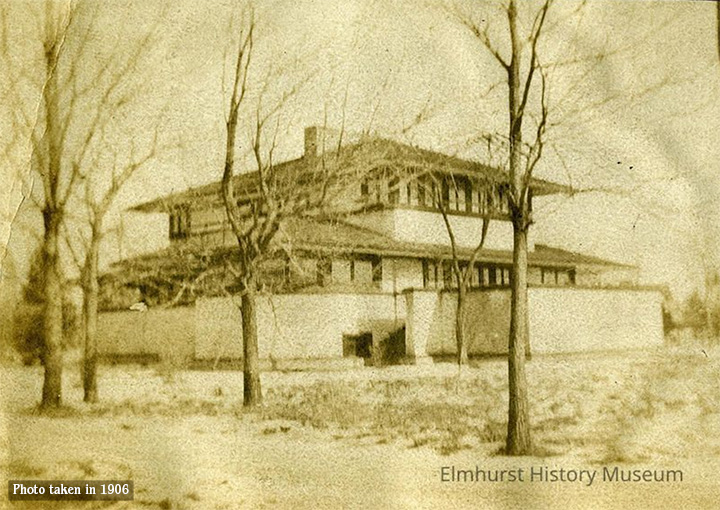
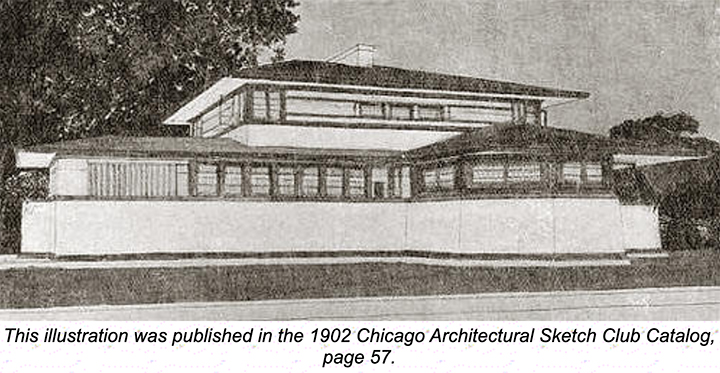
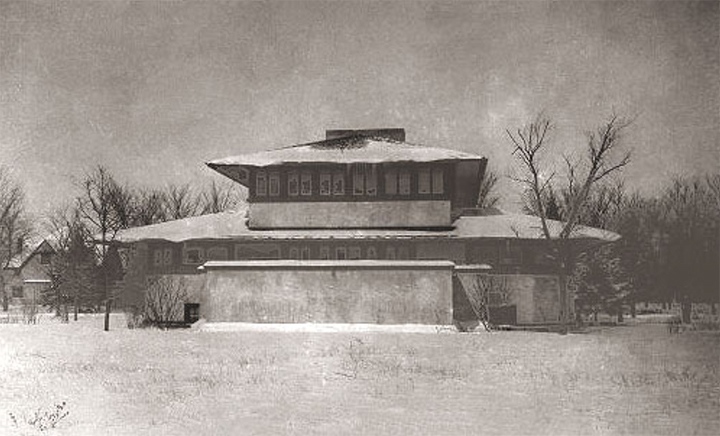
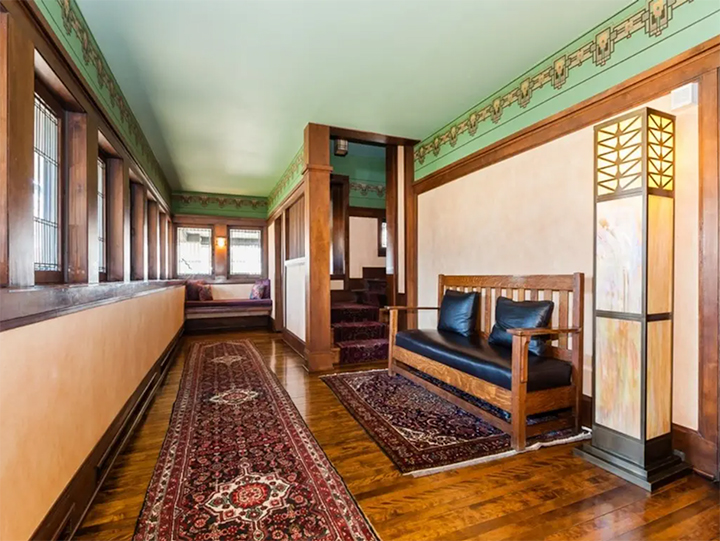
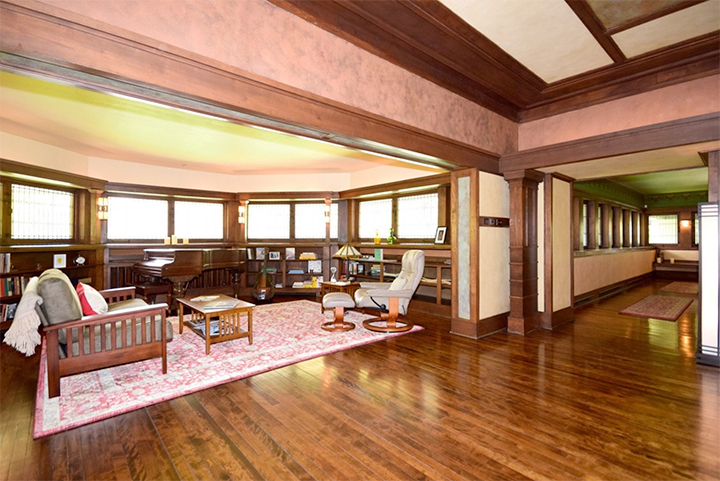
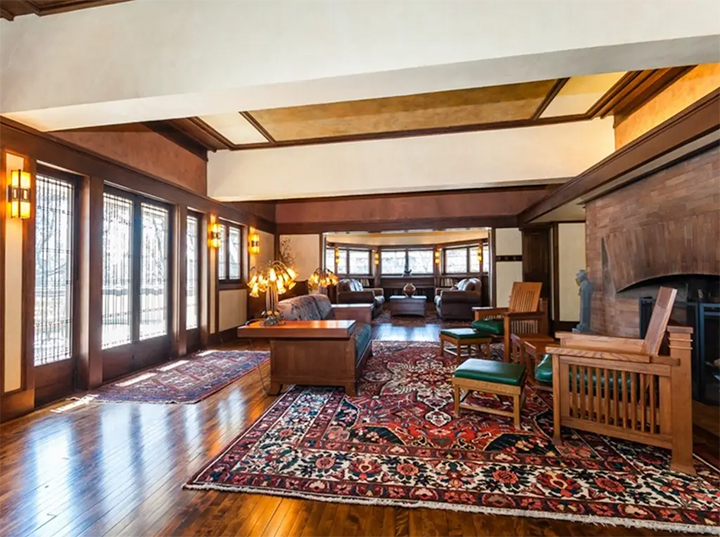
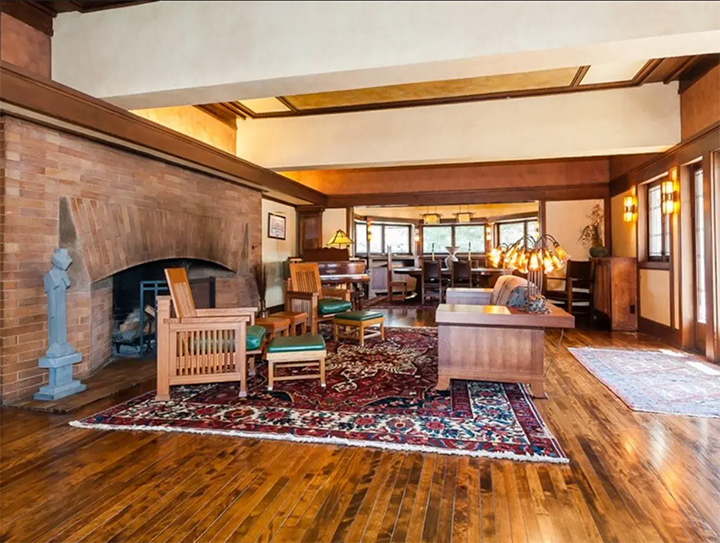
The Henderson House was one of Frank Lloyd Wright’s earliest Prairie style homes and the only work in Elmhurst. Wright was commissioned to design this home for Chicago businessman Frank B. Henderson, and completed the design while in partnership with architect H. Webster Tomlinson in 1901. Construction of the home was completed in 1905 and incorporates all the elements associated with the iconic prairie style that Wright made so well-known.

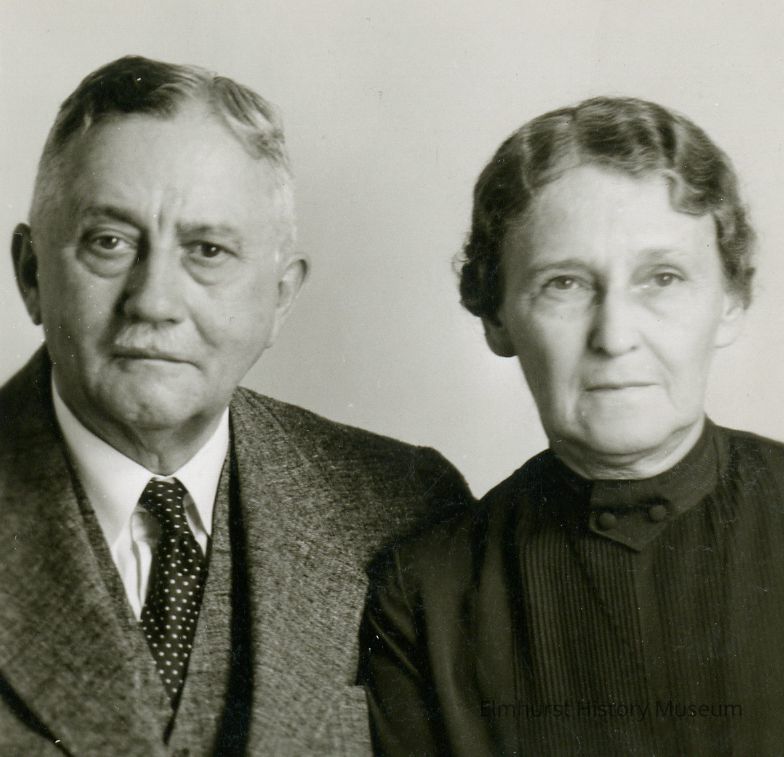
Frank Bignell Henderson, who commissioned this home, was born in Cincinnati in 1863. He married his wife Nellie, of Chicago, and they purchased the lot from William H. Emery. They lived in the home until 1908 when they moved to Indiana. The Henderson Family only spent a few short years in this home; but since then there have been several homeowners.

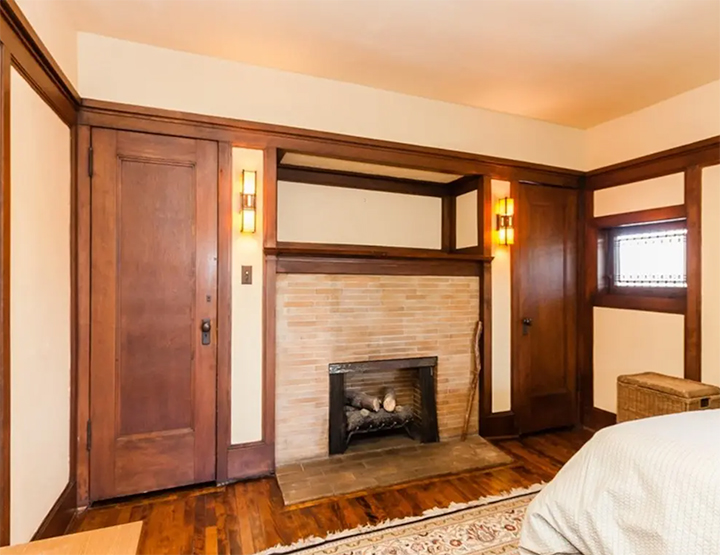
Over the years, the house had seen major alteration; most notably in the 1960s, the homeowners added an enclosed sleeping porch over the south terrace that reportedly infuriated Wright. In 1988, notable stewards of this home were David and Joyce McArdle. The McArdle’s were responsible for the extensive restoration of the home, which they did working with Don Kalec, the director of the Wright Home and Studio in Oak Park. The Henderson House today remains as it was originally designed by Wright with few exceptions.

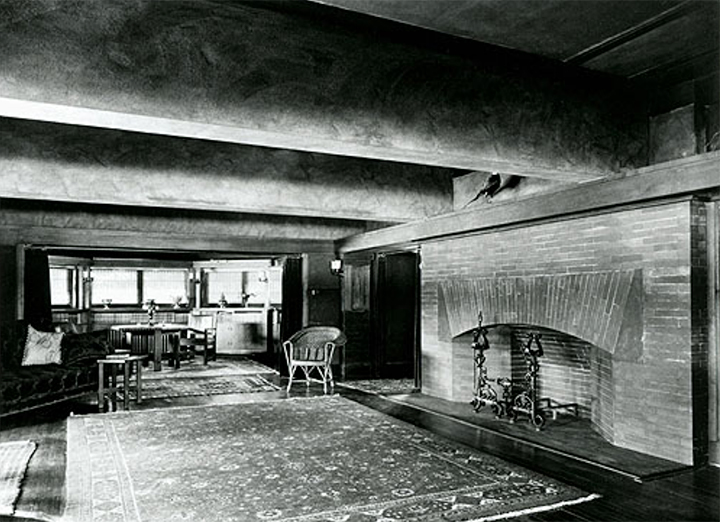
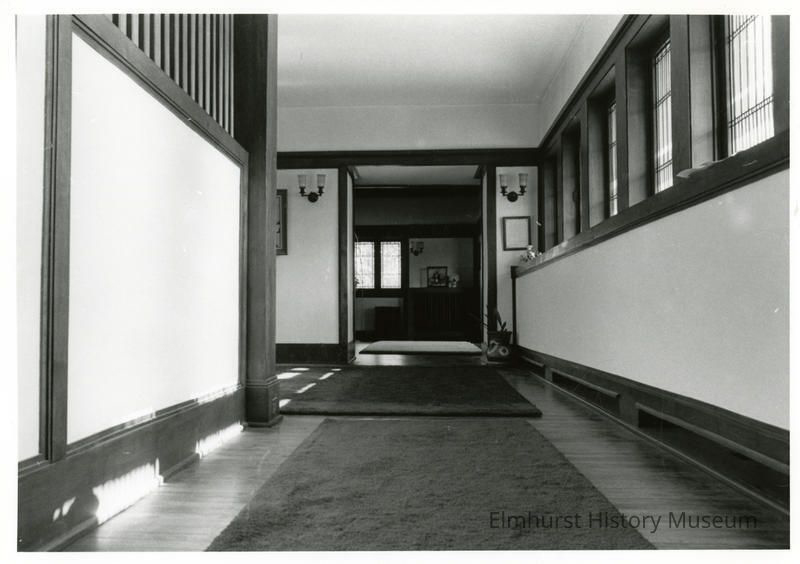
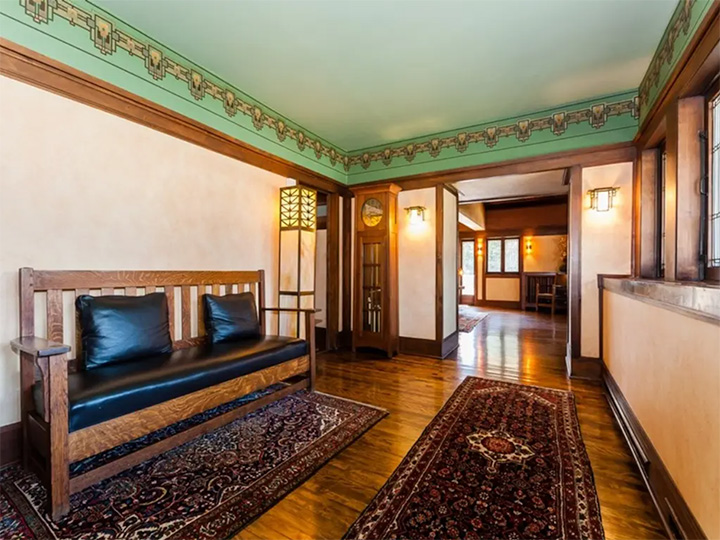
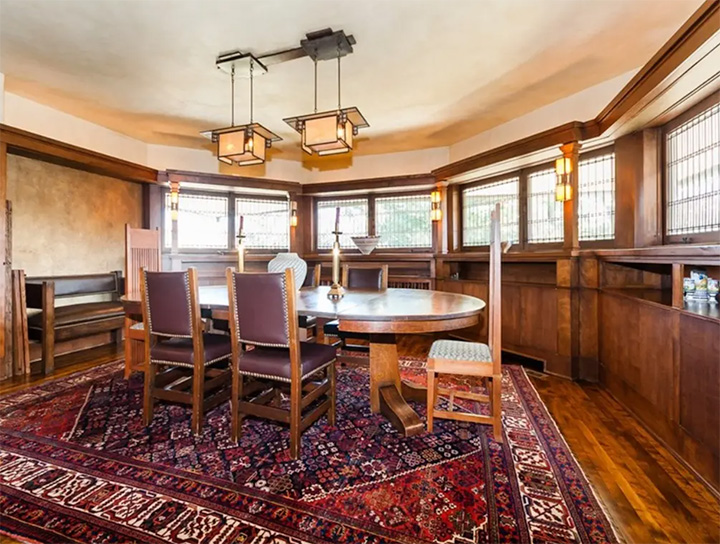
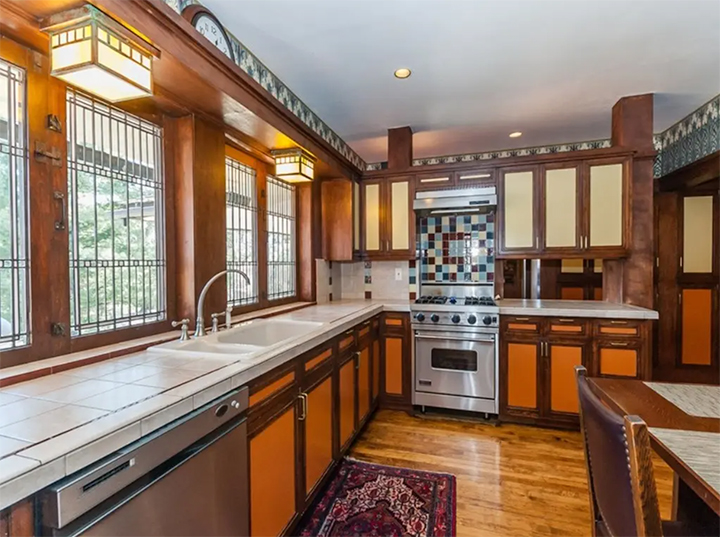
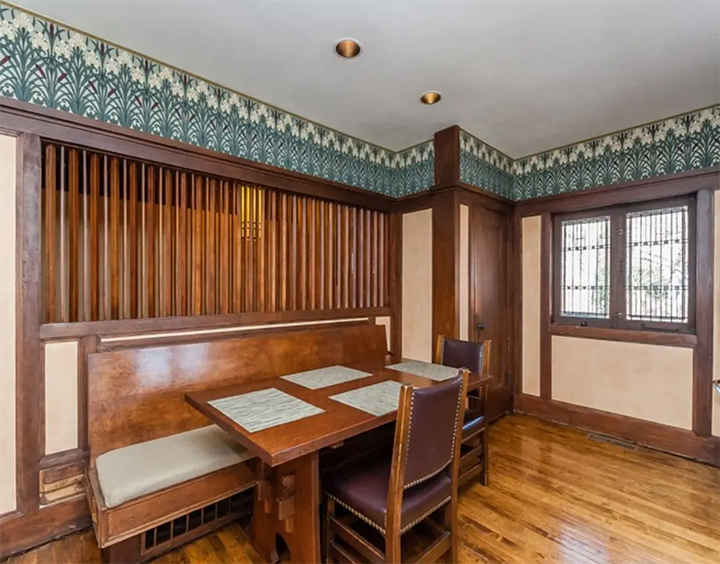
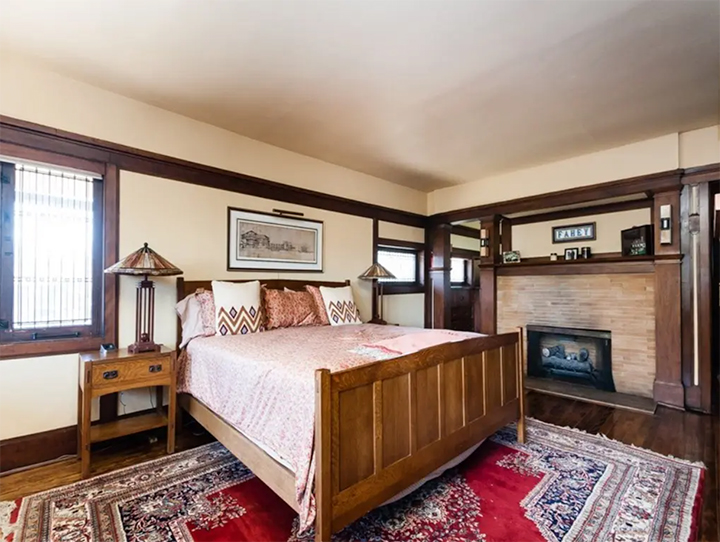
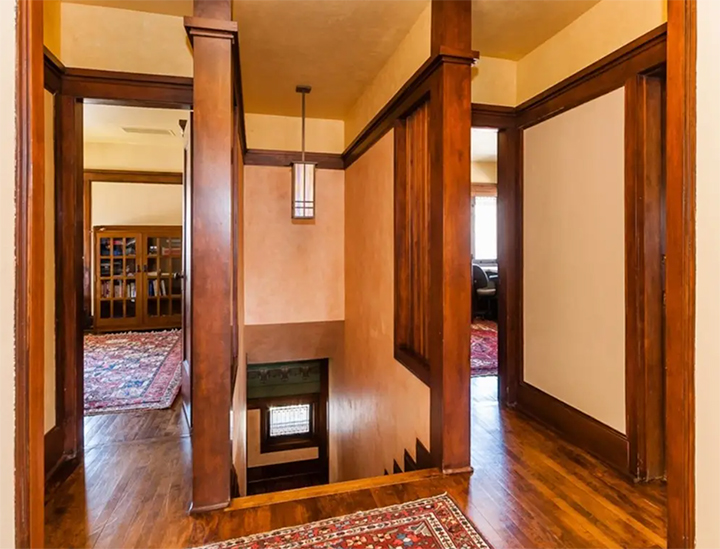
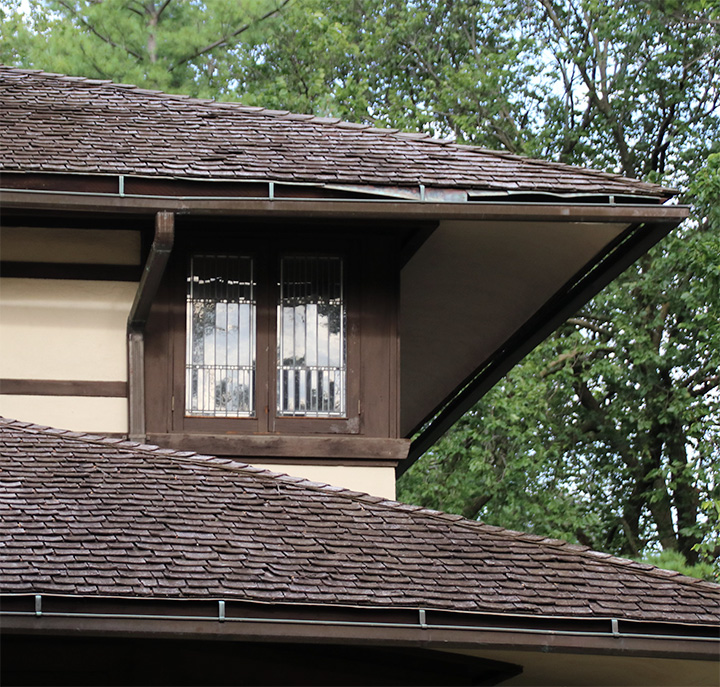
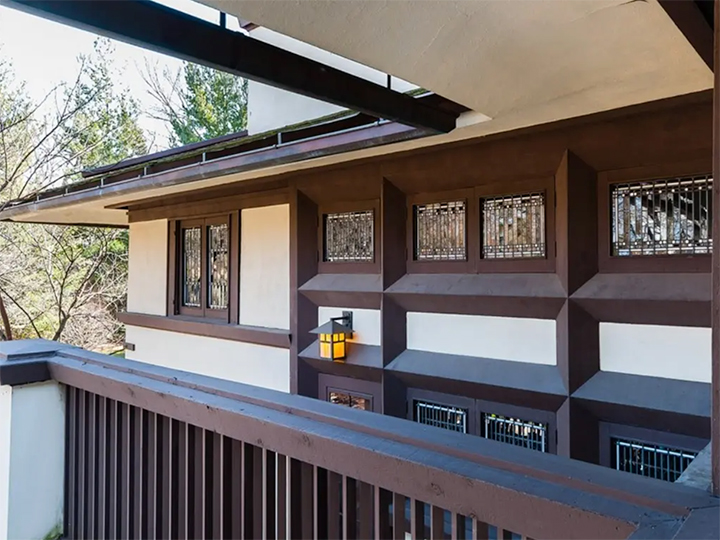
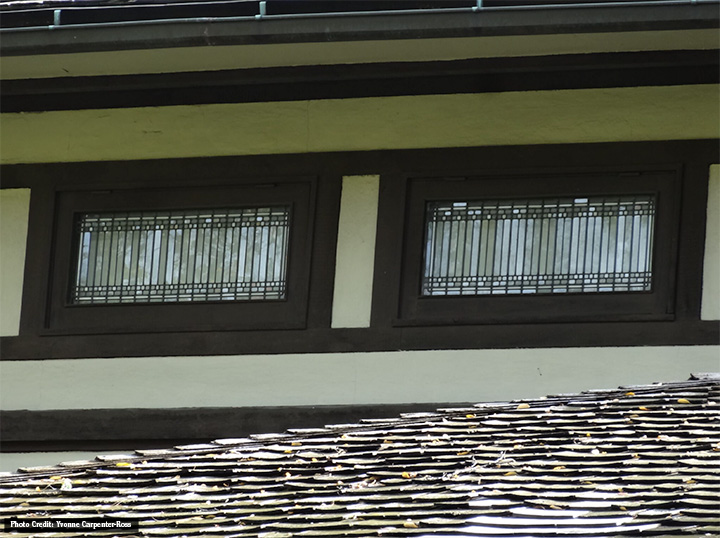
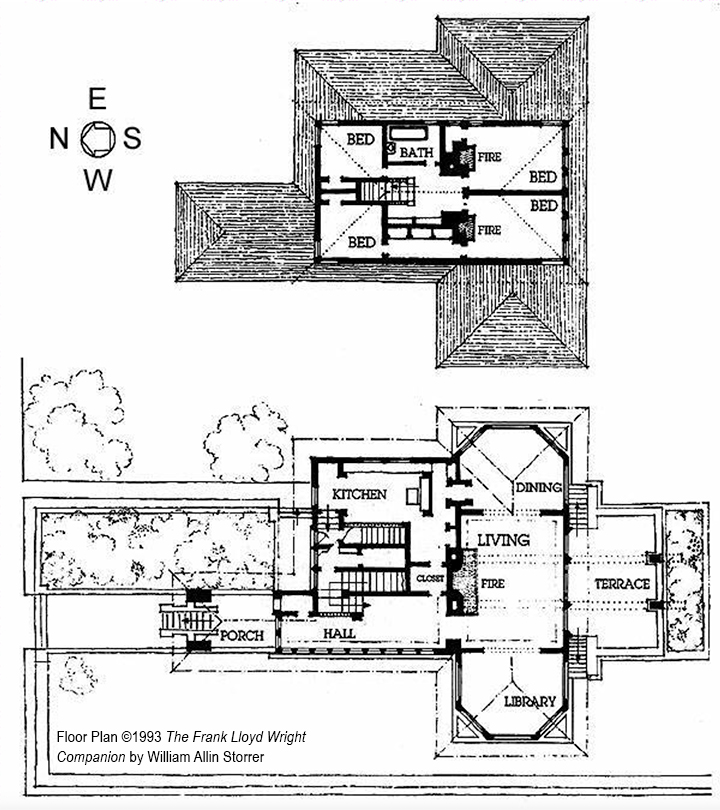
The interior floor plan is similar to that of the Warren Hickox House, although the exteriors are very different. The plan of the house is also similar, in the main living spaces, to the Edwin H. Cheney House of Oak Park. The home has one large space subtly divided into library, living room, and dining room, all in-line. A large veranda off the living room overlooks the over one-half acre of landscaped grounds. The house has over 80 art glass windows, elegant woodwork, three brick fireplaces, and many built-ins.

The McArdle’s also handled the legal filing of the articles of incorporation for the newly formed Frank Lloyd Wright Building Conservancy. In 2019, the homeowners of the Henderson House donated a preservation easement to the Frank Lloyd Wright Building Conservancy, which is credited as a major step in preservation protection for this home.

While there is so much to be said architecturally about this home and its famous designer, this feature highlights the preservation history of this home. The impact of this restoration and preservation story can be felt locally, but also nationally and internationally thanks to the creation of the Frank Lloyd Wright Conservancy.

Although this is the only design still standing in Elmhurst, it was not Wright’s only design in the city. According to the Frank Lloyd Wright Trust, the Thomas E. Wilder Stable Building was also designed by Wright’s Oak Park Studio. It has been suggested that Walter Burley Griffin, who played an important role in Wright’s Oak Park Studio, had a heavy hand in the design of the Stable building. The Stable building was demolished in 1941.


Feature Home Archive

Summer 2025 Feature Home

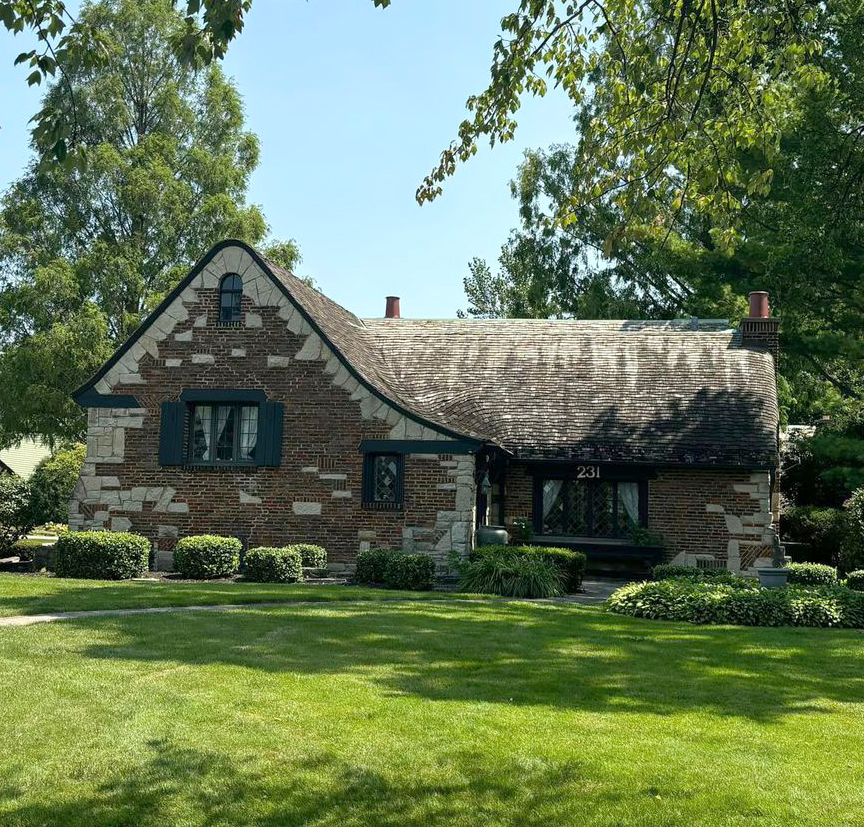
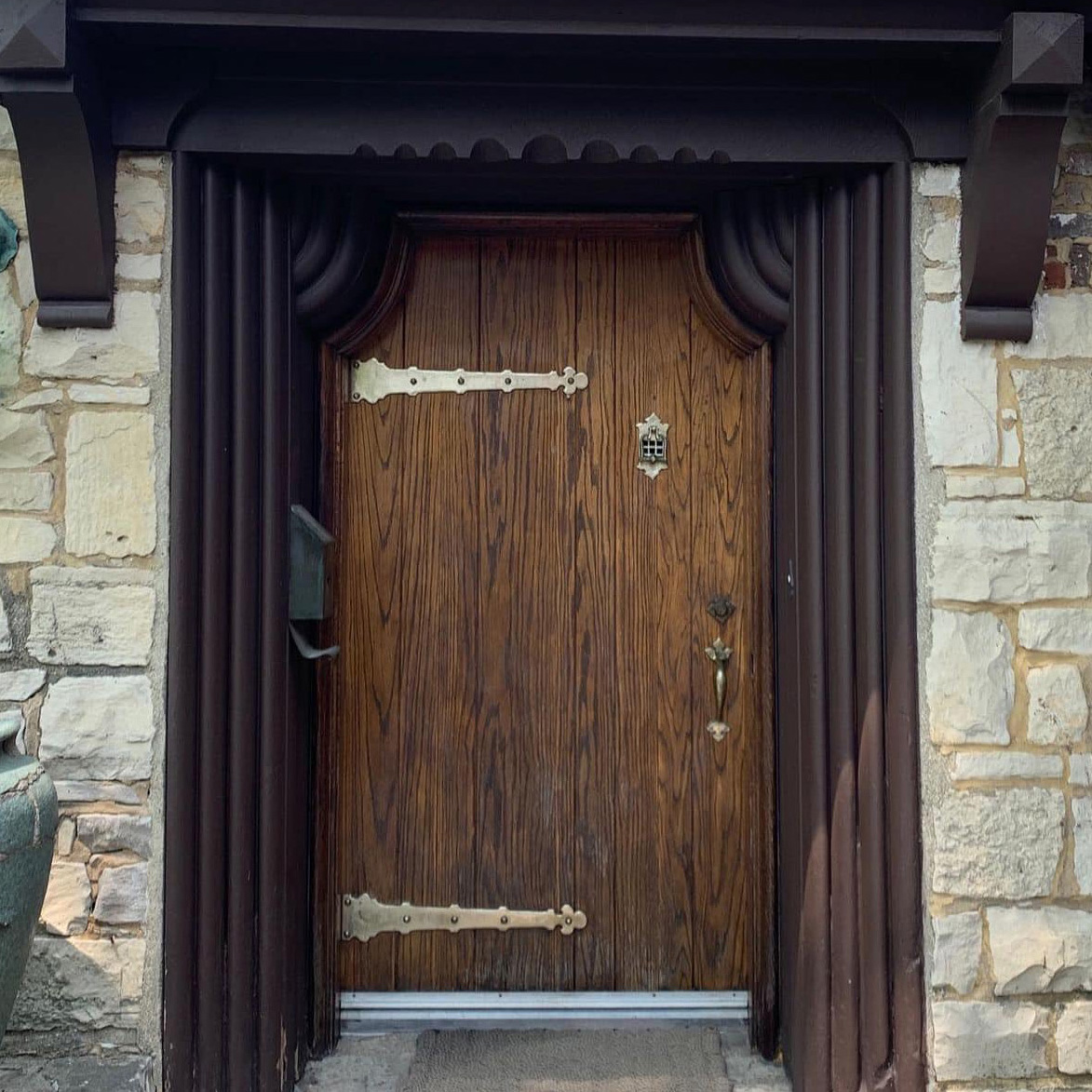
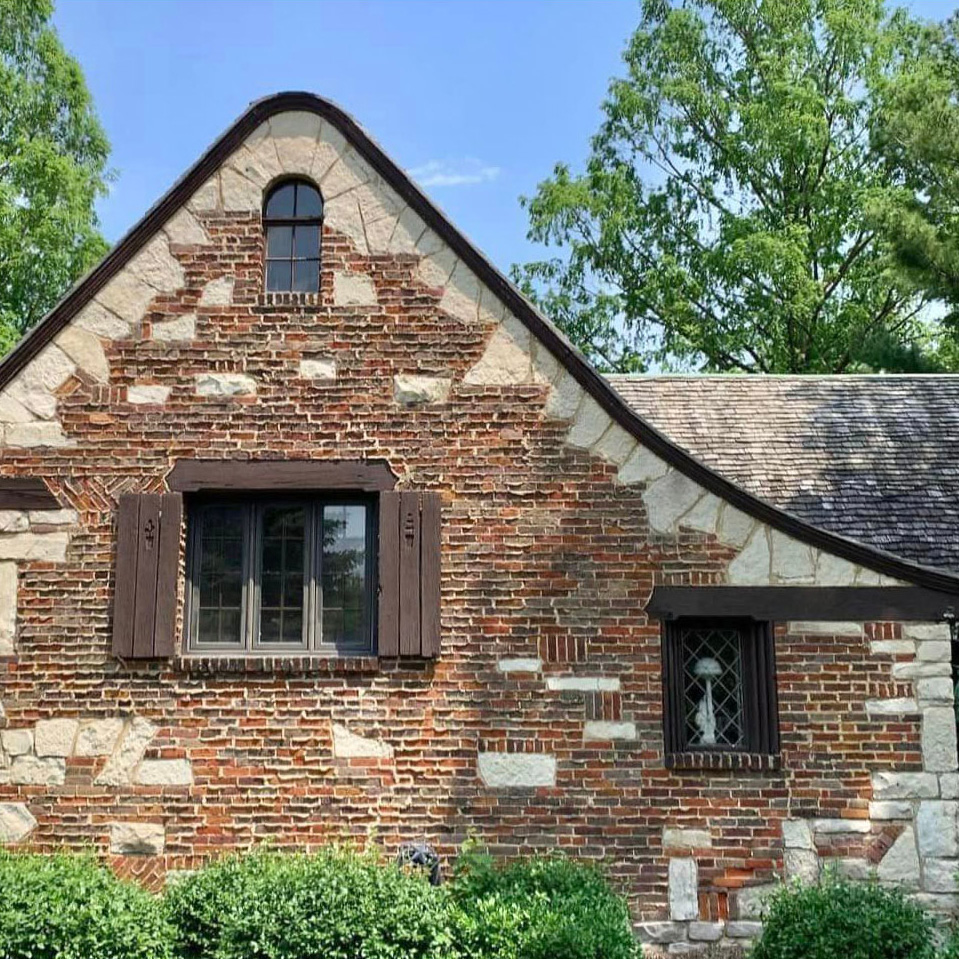
Exterior of 231 S Arlington, Elmhurst

The Zook House

A local historical favorite and recent preservation success story can be found at the Zook House, a Tudor Revival English Cottage, located at 231 S. Arlington Ave.

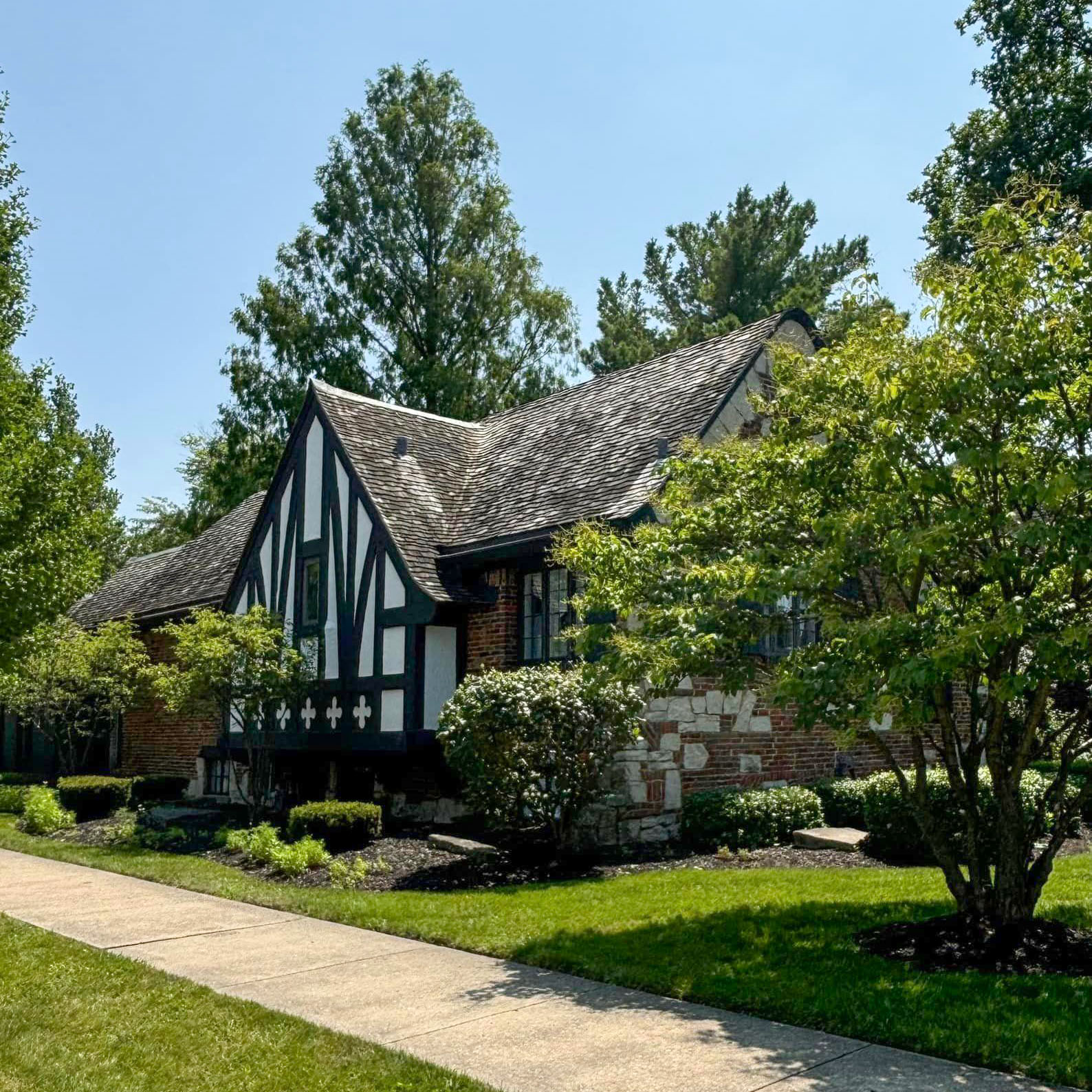
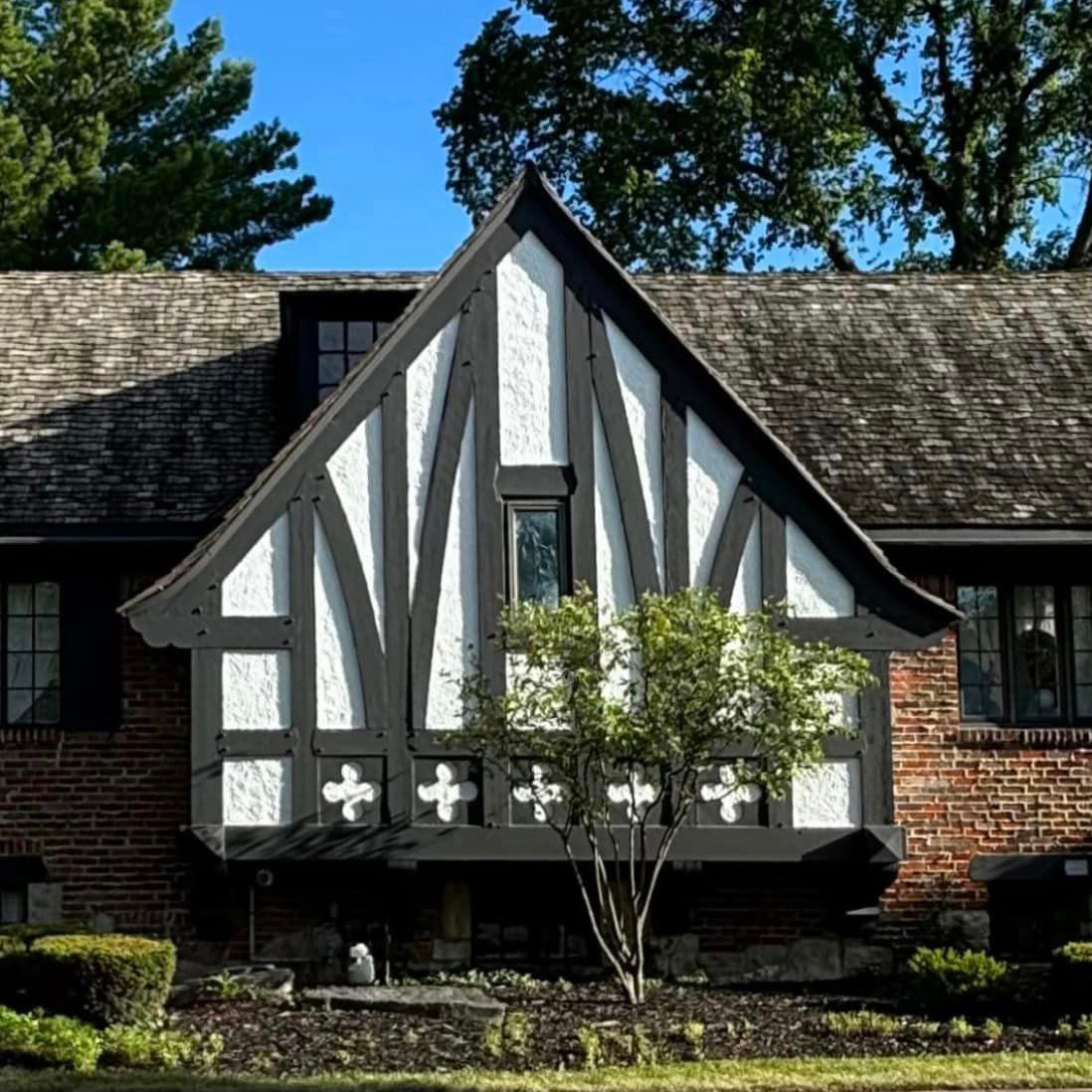
Historic Revival architecture became increasingly popular in the 1910’s and continued through the 1930’s. In 1925, well-known Hinsdale architect, R. Harold Zook, designed this charming English cottage, featuring many of the distinct Tudor elements for which his trademark Cotswold style cottages were known, including decorative half timbering, asymmetrical gabled roofs, exposed beams, leaded glass casement windows, rustic brick and stonework, and rounded overhanging roof shingles, aka the “Zook roof.”

Zook developed this unique roofing technique to create the appearance of a thatched roof with rolled eaves at the edges of the roof creating a curved transition into the walls below.

When the long-time owner of this home passed away in 2023, his daughter hoped to honor her parents memory and their cherished family home. In an area increasingly threatened by tear downs, she contacted the EHPC for guidance. As the architect on the Commission, Erica Blawat met her at the home to tour the property and offer a consultation.
 

Erica was immediately charmed by the rich design, thoughtful details and impeccable craftsmanship so often missing from homes today. While the timeless Tudor character was very appealing, she quickly noted that the quirky layout might not appeal to all prospective buyers. Initially consulting the the seller, Erica offered suggestions for simple changes and decluttering and referred the seller to a knowledgeable historic home realtor, Tom Makinney of Makinney Group.

With his skilled guidance to best showcase and market the property, the home quickly sold!

 
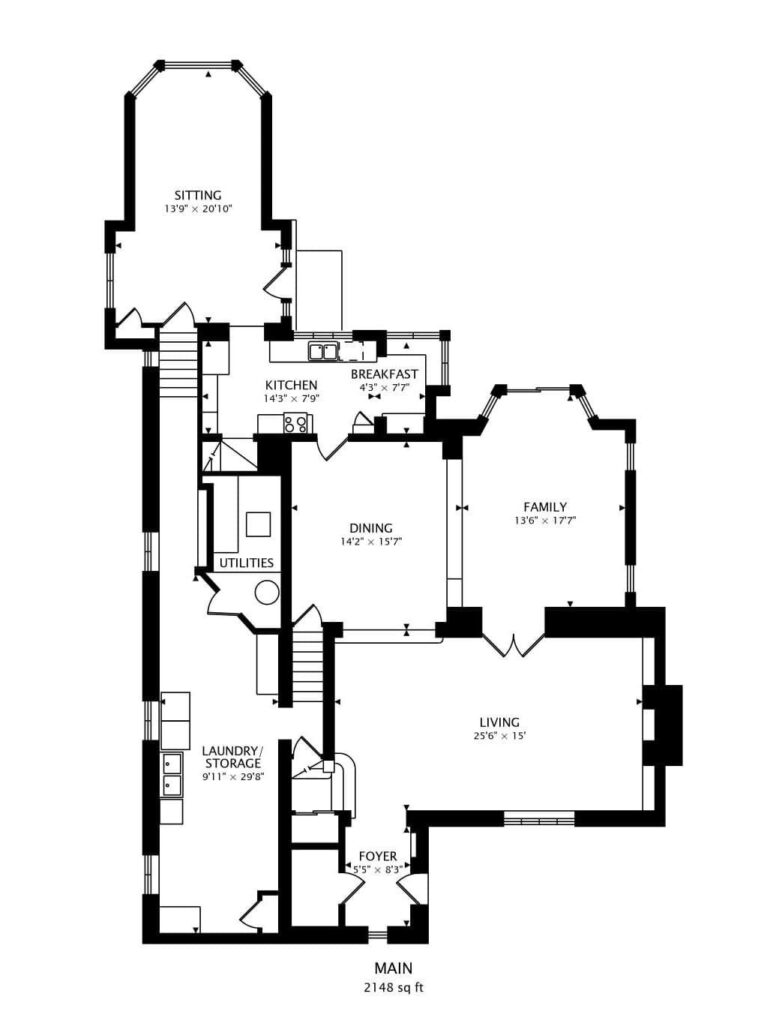
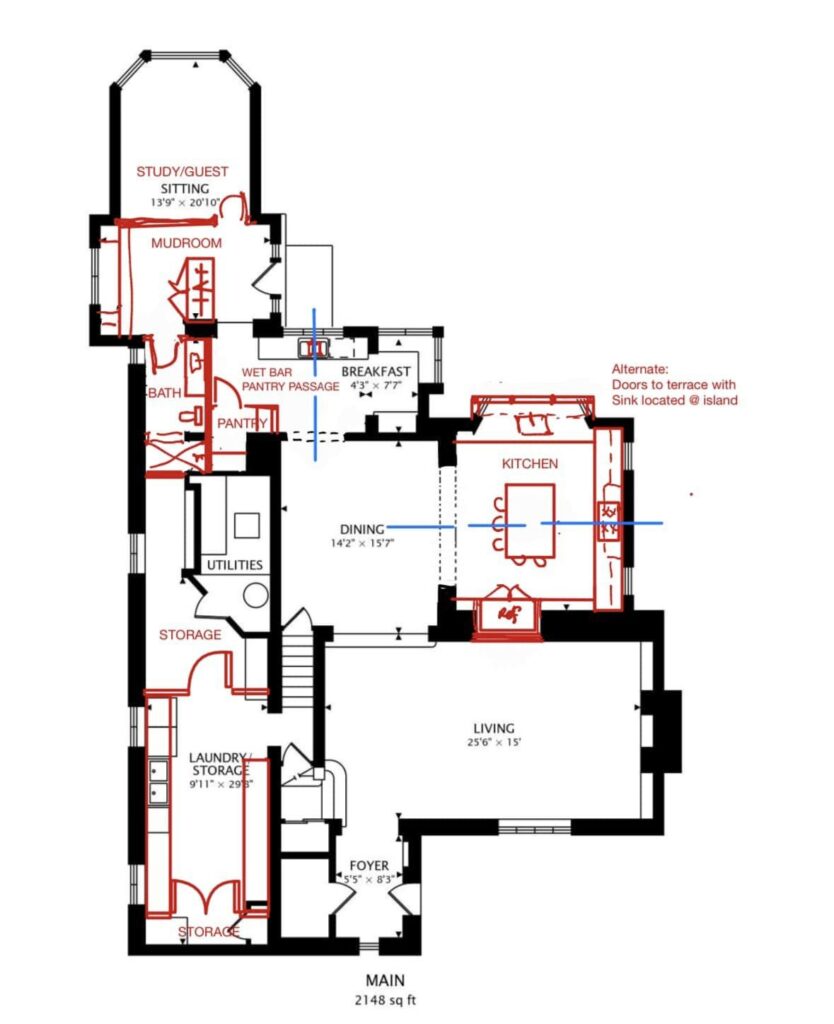
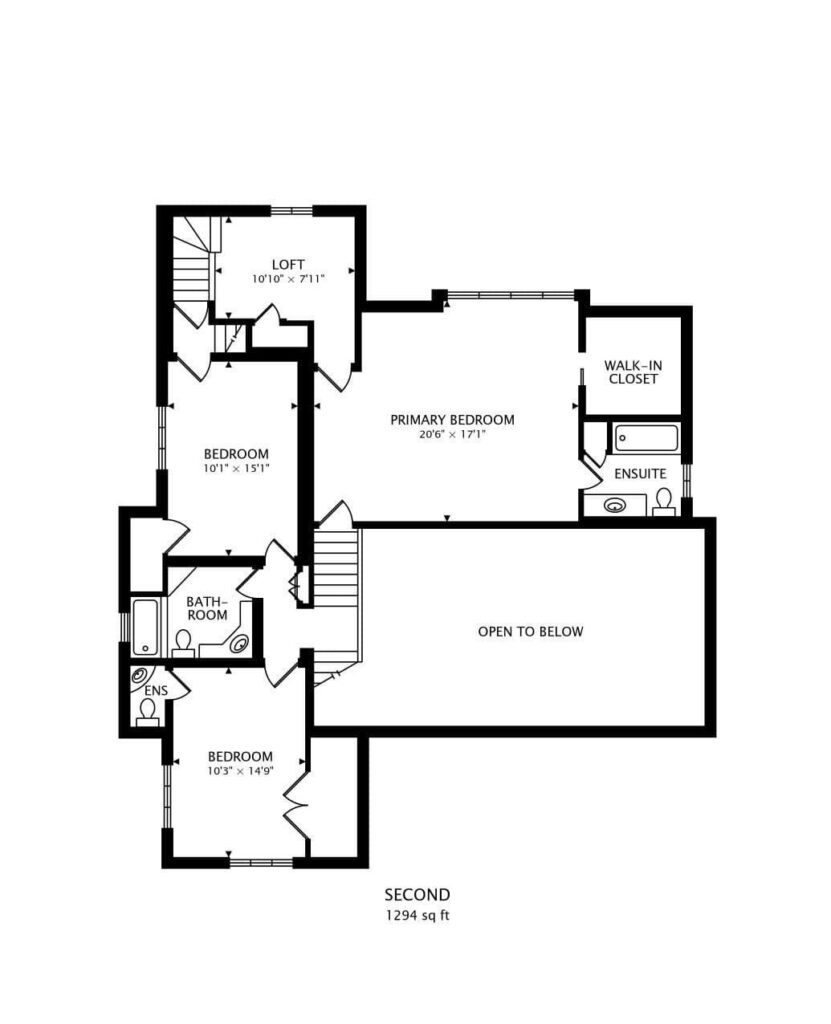
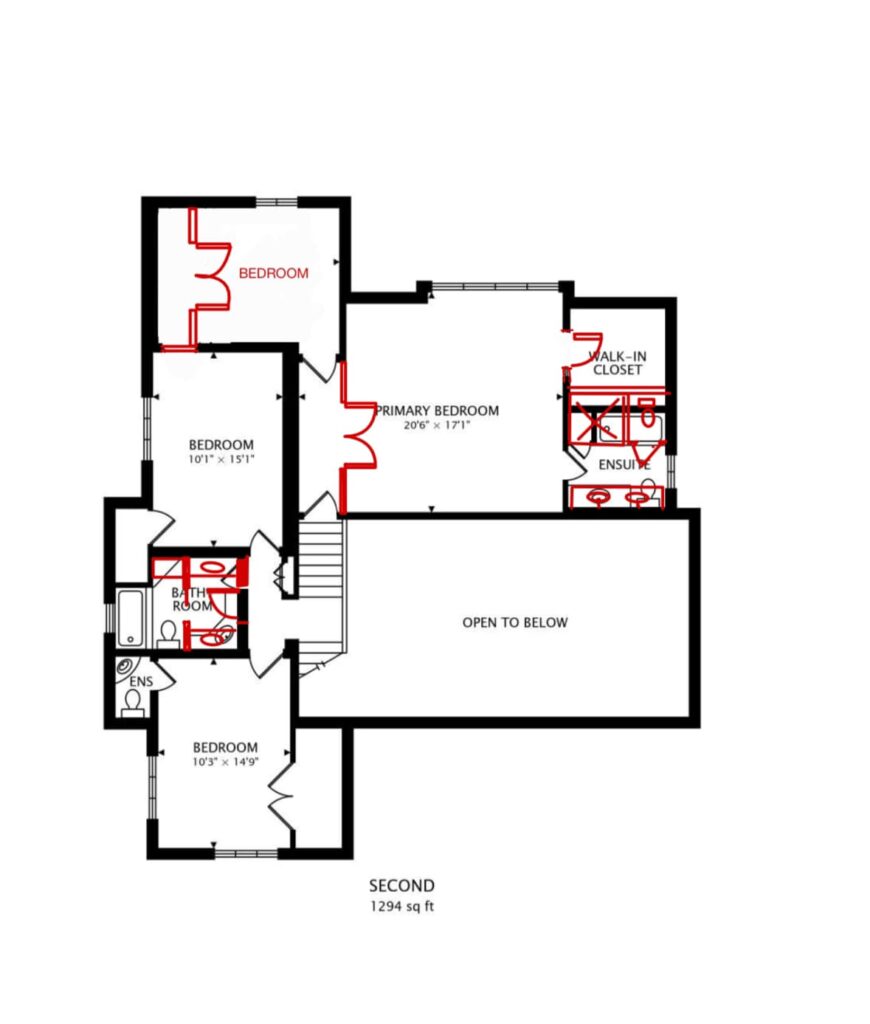
As part of this process consulting both the seller and eventually the new home owner, Erica provided simple plan sketches to show how a modest interior reconfiguration could increase the home’s contemporary living appeal, while avoiding an addition or window changes to keep the beautiful  exterior fully intact as-is (See existing plans below with revisions in red.)
 
For the exterior, Erica also provided a complimentary color consultation that lead to the new fresh dark stain applied to the original woodwork to provide the deep contrast she was seeking while (thankfully!) avoiding the all-to-popular whitewashing of old brick to appeal to the current “high contrast” black and white trends.

 
Floorplan of First Floor at 231 Arlington, Elmhurst
Revised Floor 1 at 231 Arlington, Elmhurst
Floorplan of Second Floor at 231 Arlington, Elmhurst
Revised Floor 2 at 231 Arlington, Elmhurst

Feature Home

Summer 2025 Feature Home

Frank B. Henderson House

Listed on the National Register of Historic Places, this early work of renowned architect Frank Lloyd Wright can be found at 301 S. Kenilworth Avenue.

The Henderson House was one of Frank Lloyd Wright’s earliest Prairie style homes and the only work in Elmhurst. Wright was commissioned to design this home for Chicago businessman Frank B. Henderson, and completed the design while in partnership with architect H. Webster Tomlinson in 1901. Construction of the home was completed in 1905 and incorporates all the elements associated with the iconic prairie style that Wright made so well-known.

Frank Bignell Henderson, who commissioned this home, was born in Cincinnati in 1863. He married his wife Nellie, of Chicago, and they purchased the lot from William H. Emery. They lived in the home until 1908 when they moved to Indiana. The Henderson Family only spent a few short years in this home; but since then there have been several homeowners.

Over the years, the house had seen major alteration; most notably in the 1960s, the homeowners added an enclosed sleeping porch over the south terrace that reportedly infuriated Wright. In 1988, notable stewards of this home were David and Joyce McArdle. The McArdle’s were responsible for the extensive restoration of the home, which they did working with Don Kalec, the director of the Wright Home and Studio in Oak Park. The Henderson House today remains as it was originally designed by Wright with few exceptions.

The interior floor plan is similar to that of the Warren Hickox House, although the exteriors are very different. The plan of the house is also similar, in the main living spaces, to the Edwin H. Cheney House of Oak Park. The home has one large space subtly divided into library, living room, and dining room, all in-line. A large veranda off the living room overlooks the over one-half acre of landscaped grounds. The house has over 80 art glass windows, elegant woodwork, three brick fireplaces, and many built-ins.

The McArdle’s also handled the legal filing of the articles of incorporation for the newly formed Frank Lloyd Wright Building Conservancy. In 2019, the homeowners of the Henderson House donated a preservation easement to the Frank Lloyd Wright Building Conservancy, which is credited as a major step in preservation protection for this home.

While there is so much to be said architecturally about this home and its famous designer, this feature highlights the preservation history of this home. The impact of this restoration and preservation story can be felt locally, but also nationally and internationally thanks to the creation of the Frank Lloyd Wright Conservancy.

Although this is the only design still standing in Elmhurst, it was not Wright’s only design in the city. According to the Frank Lloyd Wright Trust, the Thomas E. Wilder Stable Building was also designed by Wright’s Oak Park Studio. It has been suggested that Walter Burley Griffin, who played an important role in Wright’s Oak Park Studio, had a heavy hand in the design of the Stable building. The Stable building was demolished in 1941.


Feature Home Archive

Summer 2025 Feature Home

Exterior of 231 S Arlington, Elmhurst

The Zook House

A local historical favorite and recent preservation success story can be found at the Zook House, a Tudor Revival English Cottage, located at 231 S. Arlington Ave.

Historic Revival architecture became increasingly popular in the 1910’s and continued through the 1930’s. In 1925, well-known Hinsdale architect, R. Harold Zook, designed this charming English cottage, featuring many of the distinct Tudor elements for which his trademark Cotswold style cottages were known, including decorative half timbering, asymmetrical gabled roofs, exposed beams, leaded glass casement windows, rustic brick and stonework, and rounded overhanging roof shingles, aka the “Zook roof.”

Zook developed this unique roofing technique to create the appearance of a thatched roof with rolled eaves at the edges of the roof creating a curved transition into the walls below.

When the long-time owner of this home passed away in 2023, his daughter hoped to honor her parents memory and their cherished family home. In an area increasingly threatened by tear downs, she contacted the EHPC for guidance. As the architect on the Commission, Erica Blawat met her at the home to tour the property and offer a consultation.
 

Erica was immediately charmed by the rich design, thoughtful details and impeccable craftsmanship so often missing from homes today. While the timeless Tudor character was very appealing, she quickly noted that the quirky layout might not appeal to all prospective buyers. Initially consulting the the seller, Erica offered suggestions for simple changes and decluttering and referred the seller to a knowledgeable historic home realtor, Tom Makinney of Makinney Group.

With his skilled guidance to best showcase and market the property, the home quickly sold!

As part of this process consulting both the seller and eventually the new home owner, Erica provided simple plan sketches to show how a modest interior reconfiguration could increase the home’s contemporary living appeal, while avoiding an addition or window changes to keep the beautiful  exterior fully intact as-is (See existing plans below with revisions in red.)

For the exterior, Erica also provided a complimentary color consultation that lead to the new fresh dark stain applied to the original woodwork to provide the deep contrast she was seeking while (thankfully!) avoiding the all-to-popular whitewashing of old brick to appeal to the current “high contrast” black and white trends.
 
 
Floorplan of First Floor at 231 Arlington, Elmhurst
Revised Floor 1 at 231 Arlington, Elmhurst
Floorplan of Second Floor at 231 Arlington, Elmhurst
Revised Floor 2 at 231 Arlington, Elmhurst

© 2026 Citizens For Elmhurst Preservation

501(c)(3)

Feature
Home

Summer 2025 Feature Home

Frank B. Henderson House

Listed on the National Register of Historic Places, this early work of renowned architect Frank Lloyd Wright can be found at 301 S. Kenilworth Avenue.

The Henderson House was one of Frank Lloyd Wright’s earliest Prairie style homes and the only work in Elmhurst. Wright was commissioned to design this home for Chicago businessman Frank B. Henderson, and completed the design while in partnership with architect H. Webster Tomlinson in 1901. Construction of the home was completed in 1905 and incorporates all the elements associated with the iconic prairie style that Wright made so well-known.

Frank Bignell Henderson, who commissioned this home, was born in Cincinnati in 1863. He married his wife Nellie, of Chicago, and they purchased the lot from William H. Emery. They lived in the home until 1908 when they moved to Indiana. The Henderson Family only spent a few short years in this home; but since then there have been several homeowners.

Over the years, the house had seen major alteration; most notably in the 1960s, the homeowners added an enclosed sleeping porch over the south terrace that reportedly infuriated Wright. In 1988, notable stewards of this home were David and Joyce McArdle. The McArdle’s were responsible for the extensive restoration of the home, which they did working with Don Kalec, the director of the Wright Home and Studio in Oak Park. The Henderson House today remains as it was originally designed by Wright with few exceptions.

The interior floor plan is similar to that of the Warren Hickox House, although the exteriors are very different. The plan of the house is also similar, in the main living spaces, to the Edwin H. Cheney House of Oak Park. The home has one large space subtly divided into library, living room, and dining room, all in-line. A large veranda off the living room overlooks the over one-half acre of landscaped grounds. The house has over 80 art glass windows, elegant woodwork, three brick fireplaces, and many built-ins.

The McArdle’s also handled the legal filing of the articles of incorporation for the newly formed Frank Lloyd Wright Building Conservancy. In 2019, the homeowners of the Henderson House donated a preservation easement to the Frank Lloyd Wright Building Conservancy, which is credited as a major step in preservation protection for this home.

While there is so much to be said architecturally about this home and its famous designer, this feature highlights the preservation history of this home. The impact of this restoration and preservation story can be felt locally, but also nationally and internationally thanks to the creation of the Frank Lloyd Wright Conservancy.

Although this is the only design still standing in Elmhurst, it was not Wright’s only design in the city. According to the Frank Lloyd Wright Trust, the Thomas E. Wilder Stable Building was also designed by Wright’s Oak Park Studio. It has been suggested that Walter Burley Griffin, who played an important role in Wright’s Oak Park Studio, had a heavy hand in the design of the Stable building. The Stable building was demolished in 1941.


Feature Home Archive

Summer 2025 Feature Home

Exterior of 231 S Arlington, Elmhurst

The Zook House

A local historical favorite and recent preservation success story can be found at the Zook House, a Tudor Revival English Cottage, located at 231 S. Arlington Ave.

Historic Revival architecture became increasingly popular in the 1910’s and continued through the 1930’s. In 1925, well-known Hinsdale architect, R. Harold Zook, designed this charming English cottage, featuring many of the distinct Tudor elements for which his trademark Cotswold style cottages were known, including decorative half timbering, asymmetrical gabled roofs, exposed beams, leaded glass casement windows, rustic brick and stonework, and rounded overhanging roof shingles, aka the “Zook roof.”

Zook developed this unique roofing technique to create the appearance of a thatched roof with rolled eaves at the edges of the roof creating a curved transition into the walls below.

When the long-time owner of this home passed away in 2023, his daughter hoped to honor her parents memory and their cherished family home. In an area increasingly threatened by tear downs, she contacted the EHPC for guidance. As the architect on the Commission, Erica Blawat met her at the home to tour the property and offer a consultation.
 

Erica was immediately charmed by the rich design, thoughtful details and impeccable craftsmanship so often missing from homes today. While the timeless Tudor character was very appealing, she quickly noted that the quirky layout might not appeal to all prospective buyers. Initially consulting the the seller, Erica offered suggestions for simple changes and decluttering and referred the seller to a knowledgeable historic home realtor, Tom Makinney of Makinney Group.

With his skilled guidance to best showcase and market the property, the home quickly sold!

As part of this process consulting both the seller and eventually the new home owner, Erica provided simple plan sketches to show how a modest interior reconfiguration could increase the home’s contemporary living appeal, while avoiding an addition or window changes to keep the beautiful  exterior fully intact as-is (See existing plans below with revisions in red.)

For the exterior, Erica also provided a complimentary color consultation that lead to the new fresh dark stain applied to the original woodwork to provide the deep contrast she was seeking while (thankfully!) avoiding the all-to-popular whitewashing of old brick to appeal to the current “high contrast” black and white trends.
 
 
Floorplan of First Floor at 231 Arlington, Elmhurst
Revised Floor 1 at 231 Arlington, Elmhurst
Floorplan of Second Floor at 231 Arlington, Elmhurst
Revised Floor 2 at 231 Arlington, Elmhurst

© 2026 Citizens For Elmhurst Preservation

Privacy Policy