Glow Up Homes celebrates the beauty of transformation. Here we showcase classic Elmhurst houses that have been thoughtfully revived—refreshed, renovated, and reimagined for modern living. Each home retains its original charm while featuring many of today’s most desirable comforts and conveniences, from open-concept kitchens to energy-efficient upgrades. Every Glow Up Home has been lovingly saved and given a second chance to shine, and we applaud the owners for their efforts to preserve what makes Elmhurst such a special place to live.
Tucked quietly behind one of Elmhurst’s grand historic homes sits a structure that has witnessed more than a century of change. Today, the Shadeland Coach House stands refreshed and full of life–but its story begins long before modern renovations and recreation rooms.
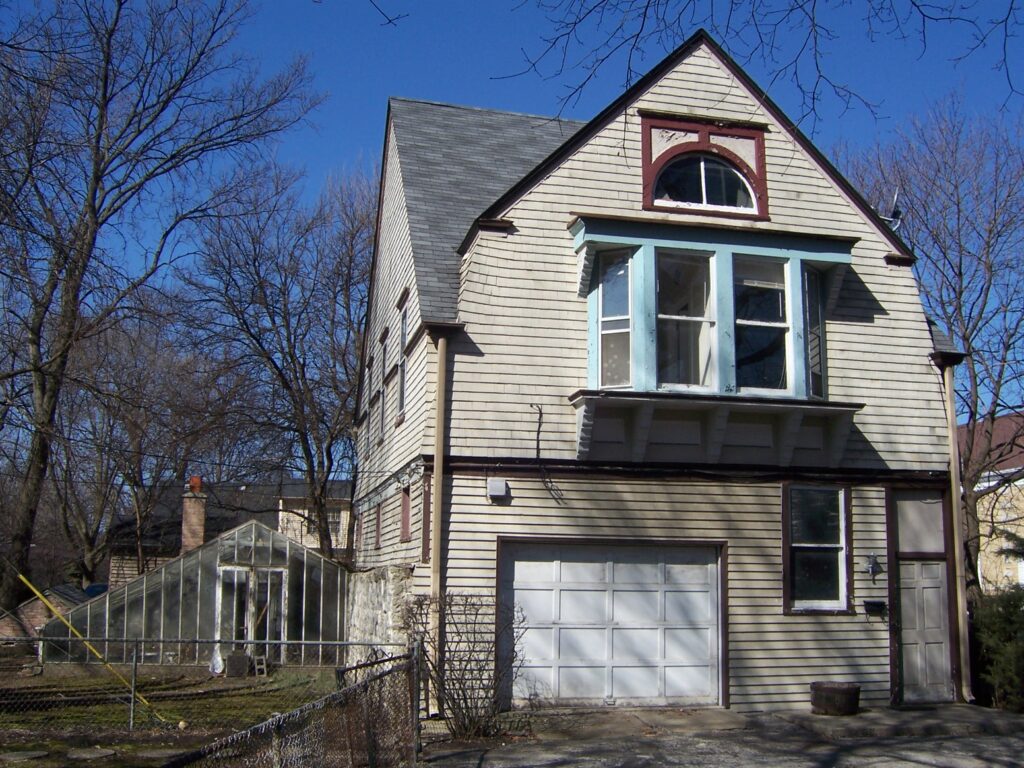
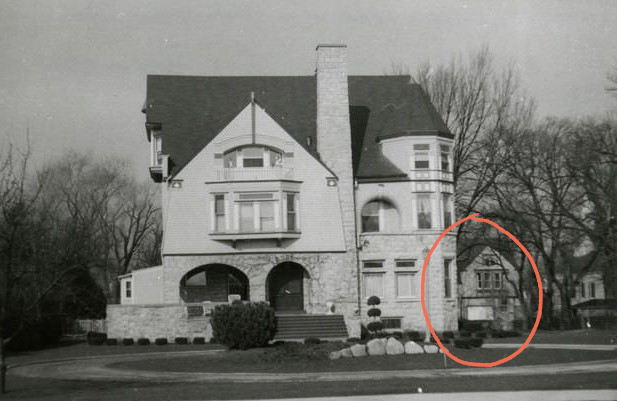
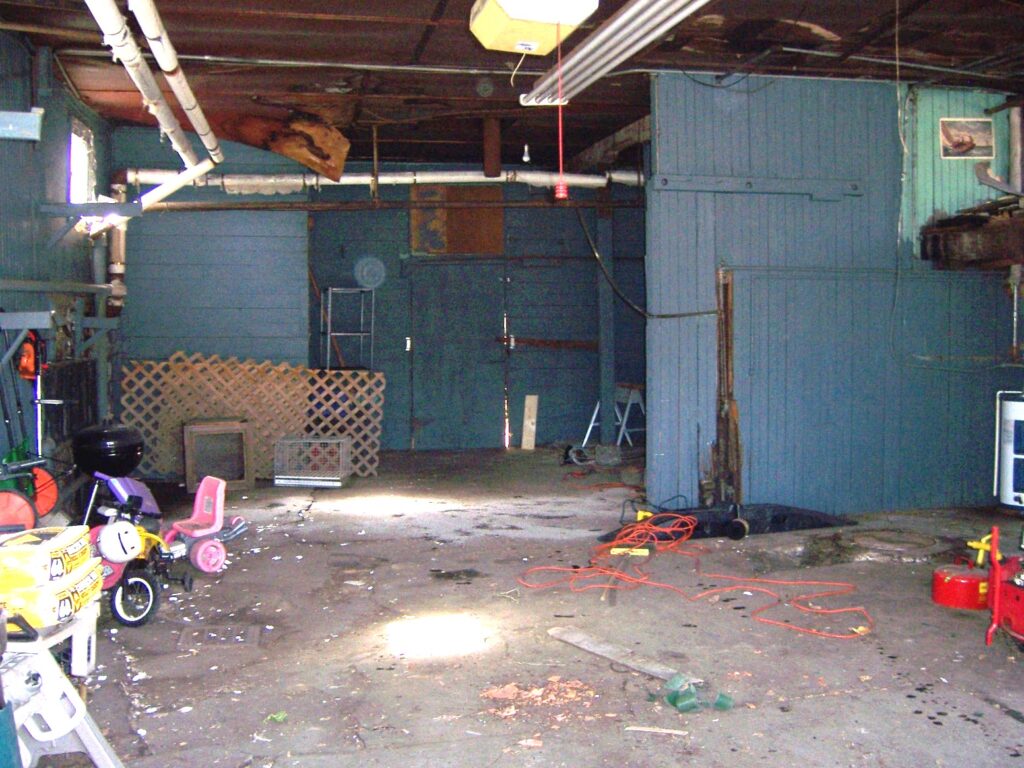
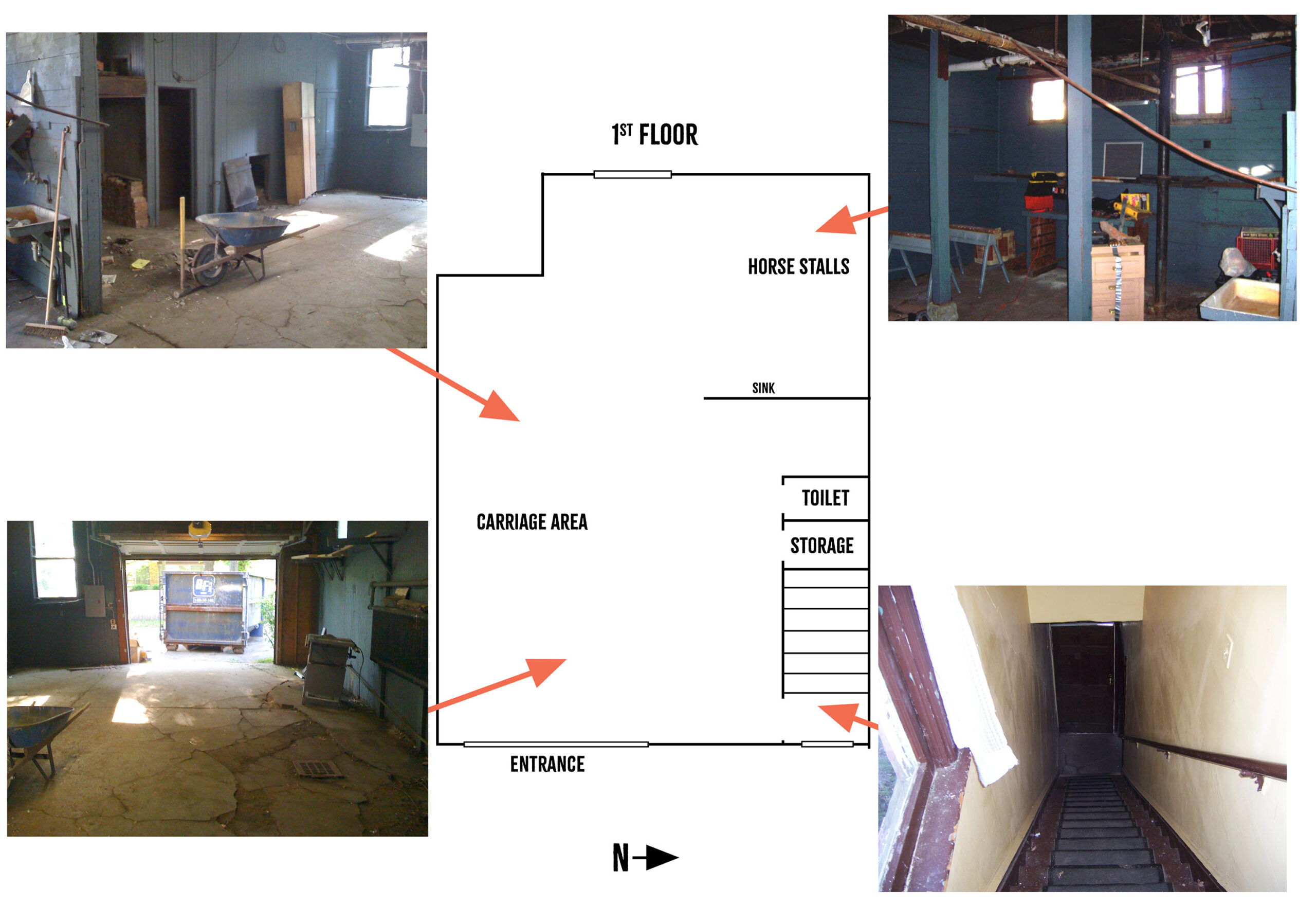
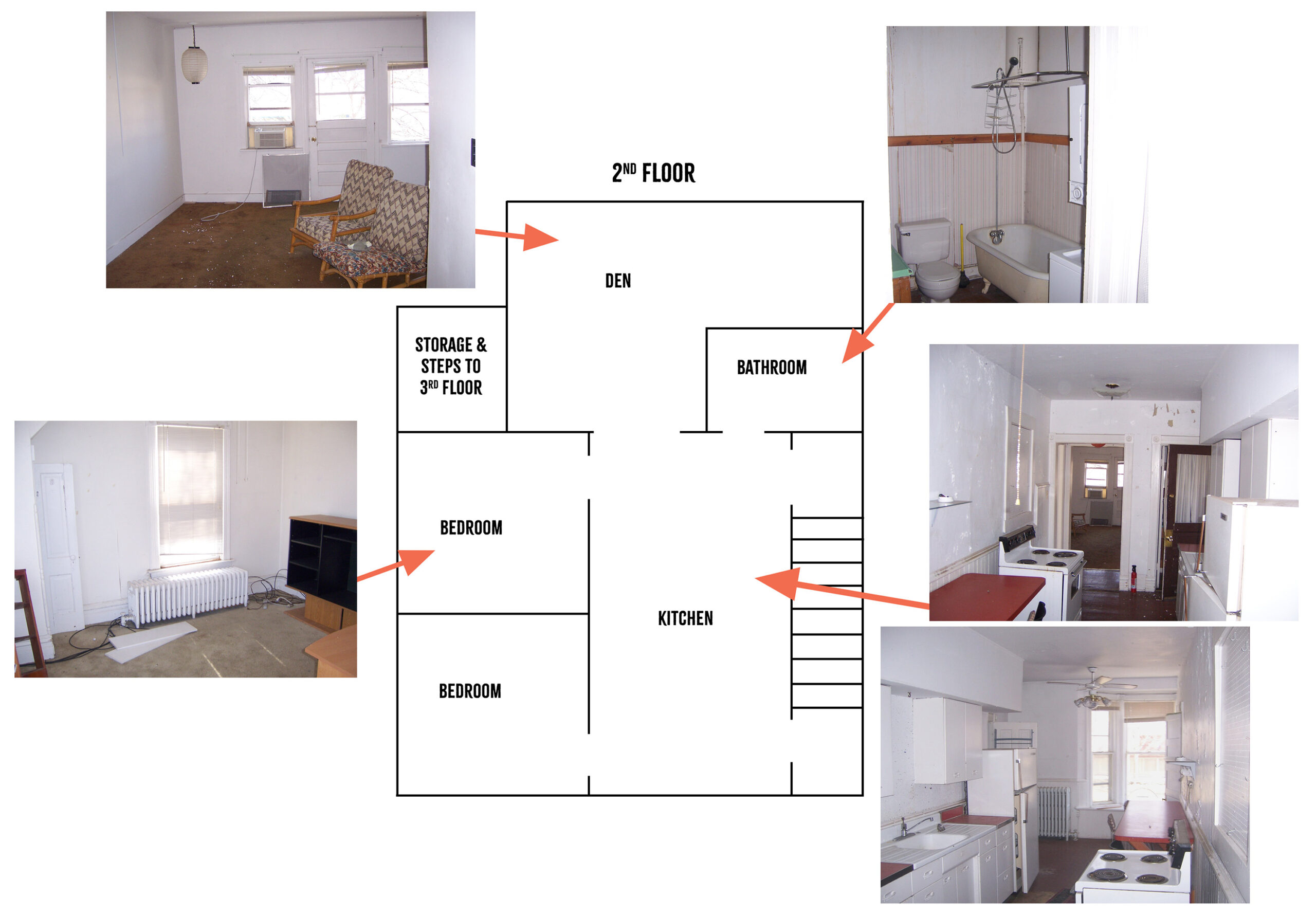
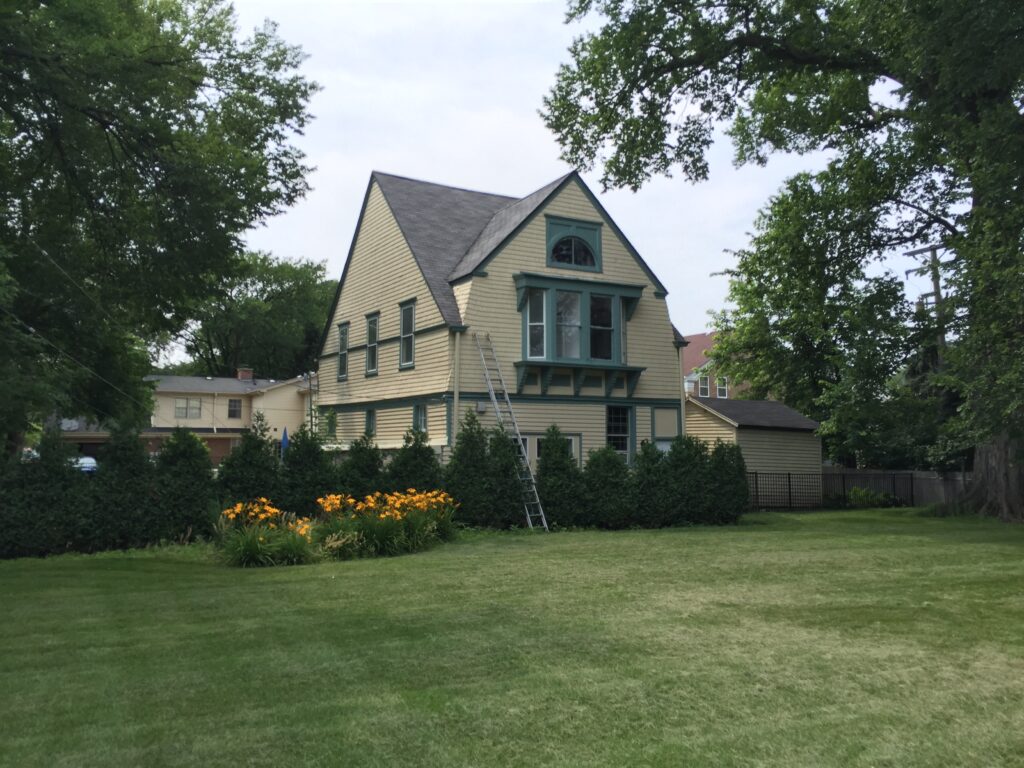
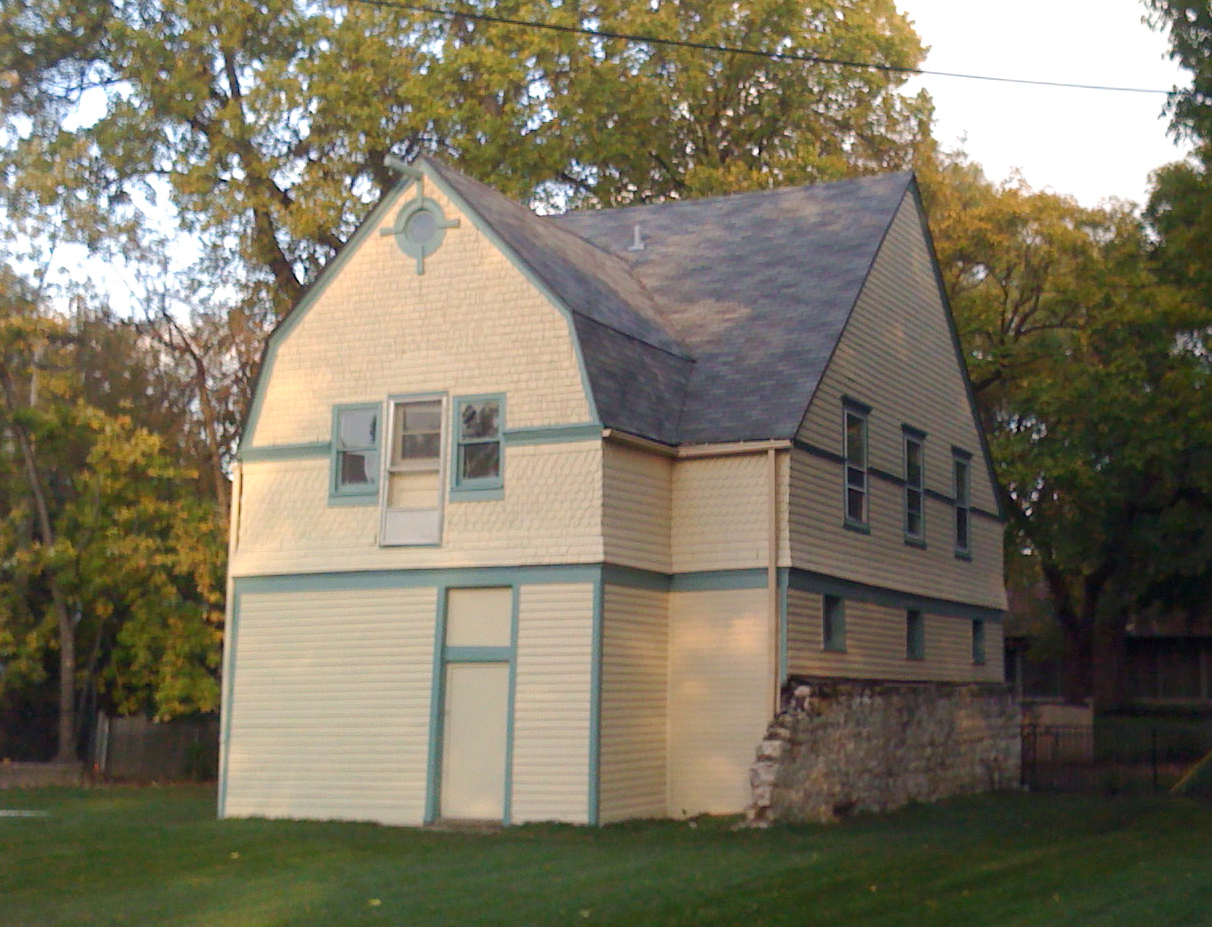
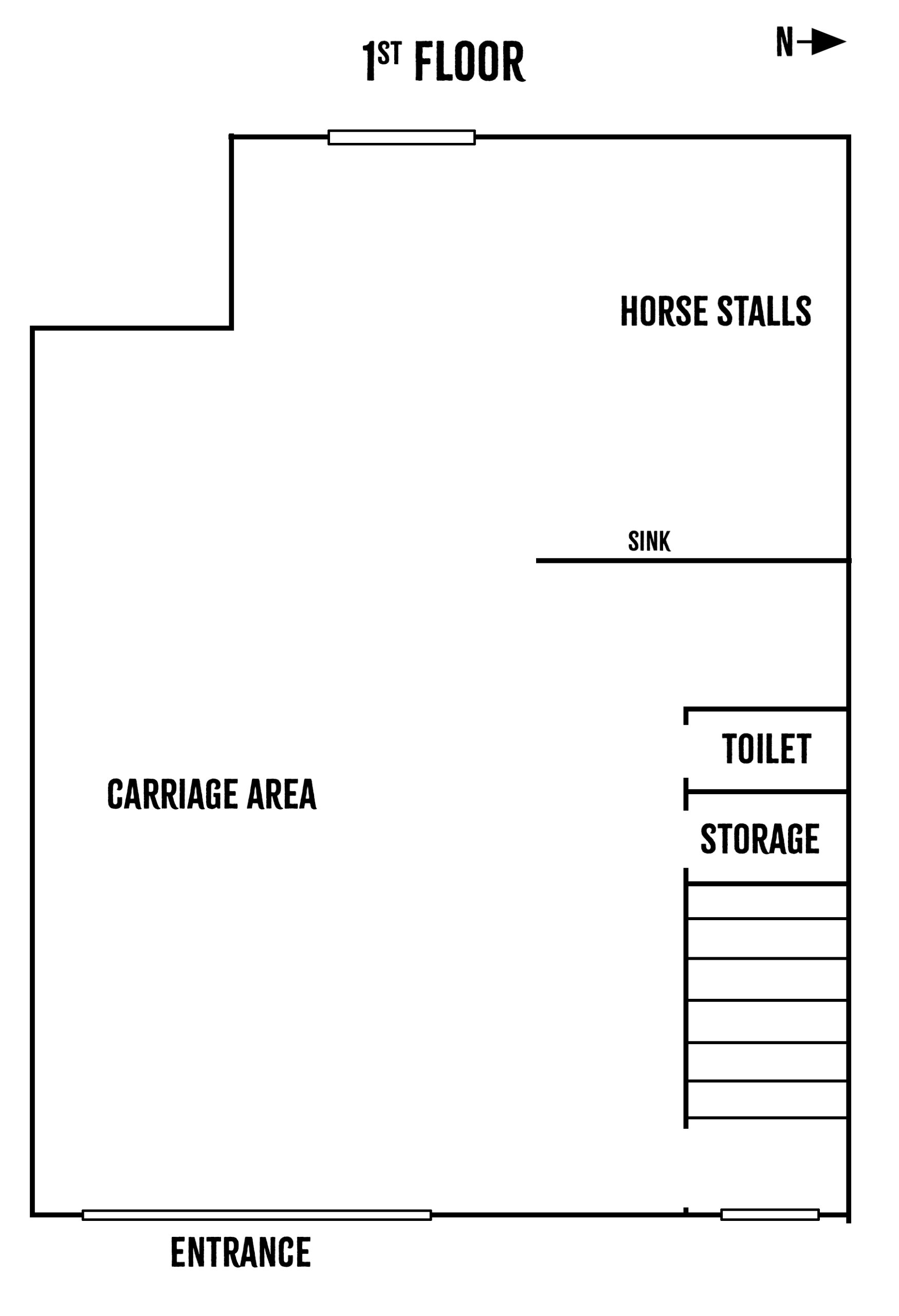
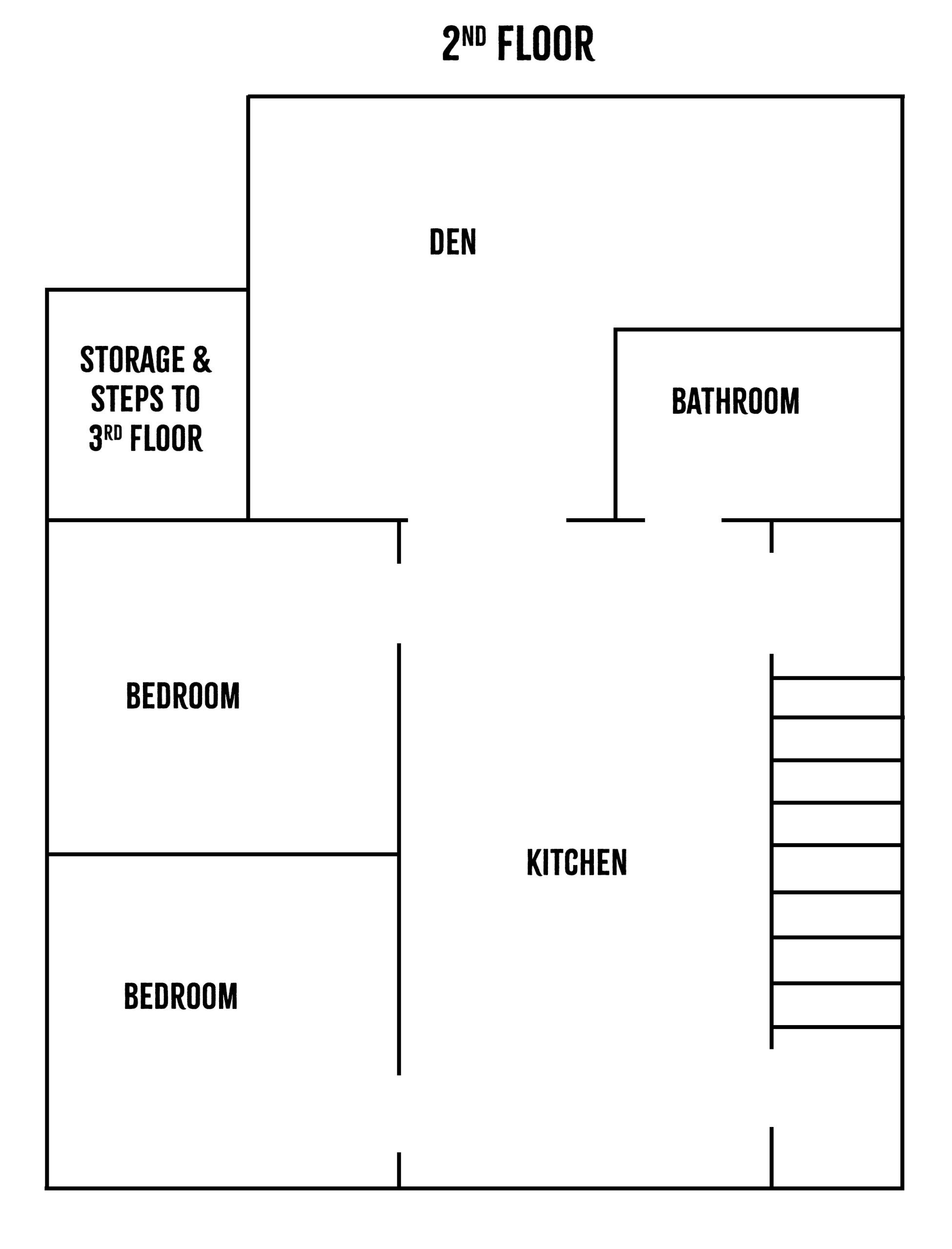
In 1892, Lee Sturges and his wife Mary arrived in Elmhurst and built their stately home, Shadeland, at 280 Cottage Hill. As was common for homes of that era, they also constructed a coach house behind the main residence. This outbuilding served an important role in the daily life of the property. The first floor functioned as a carriage house with two horse stalls, a feed chute from above, and space to store carriages. The second floor provided modest living quarters for the household’s servants and gardener, complete with two bedrooms, a kitchen, and a bathroom with a toilet and tub. Above it all, the third floor was dedicated to grain and hay storage, with a steel chute connecting the loft to the floors below for easy feeding of the horses.
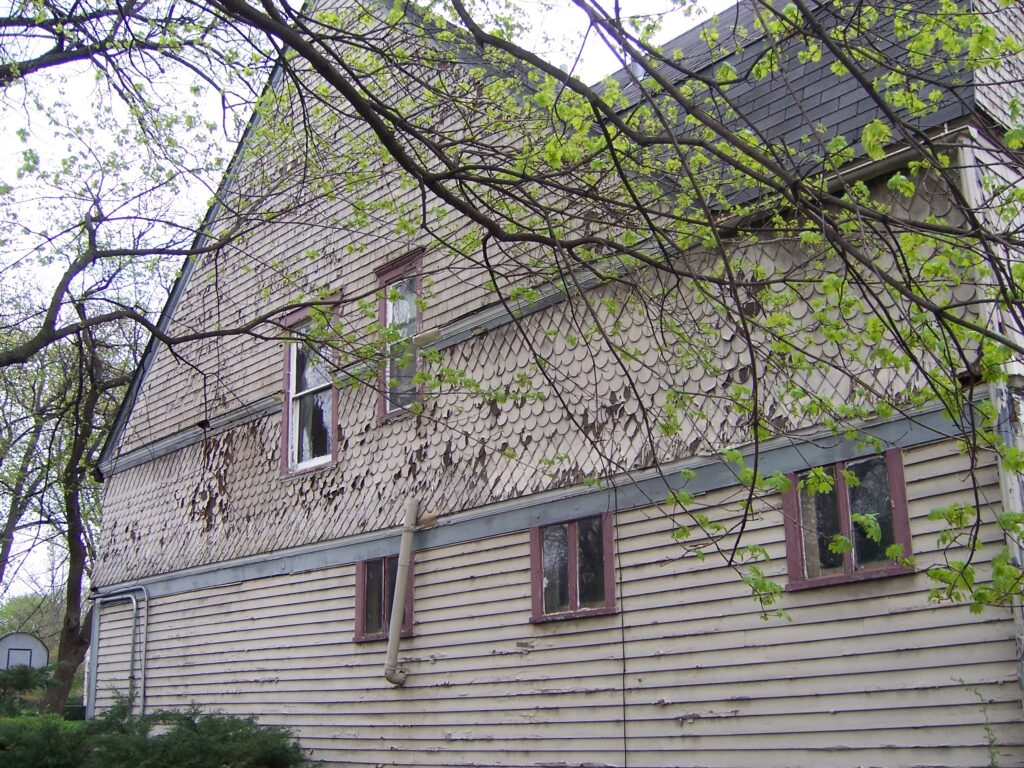
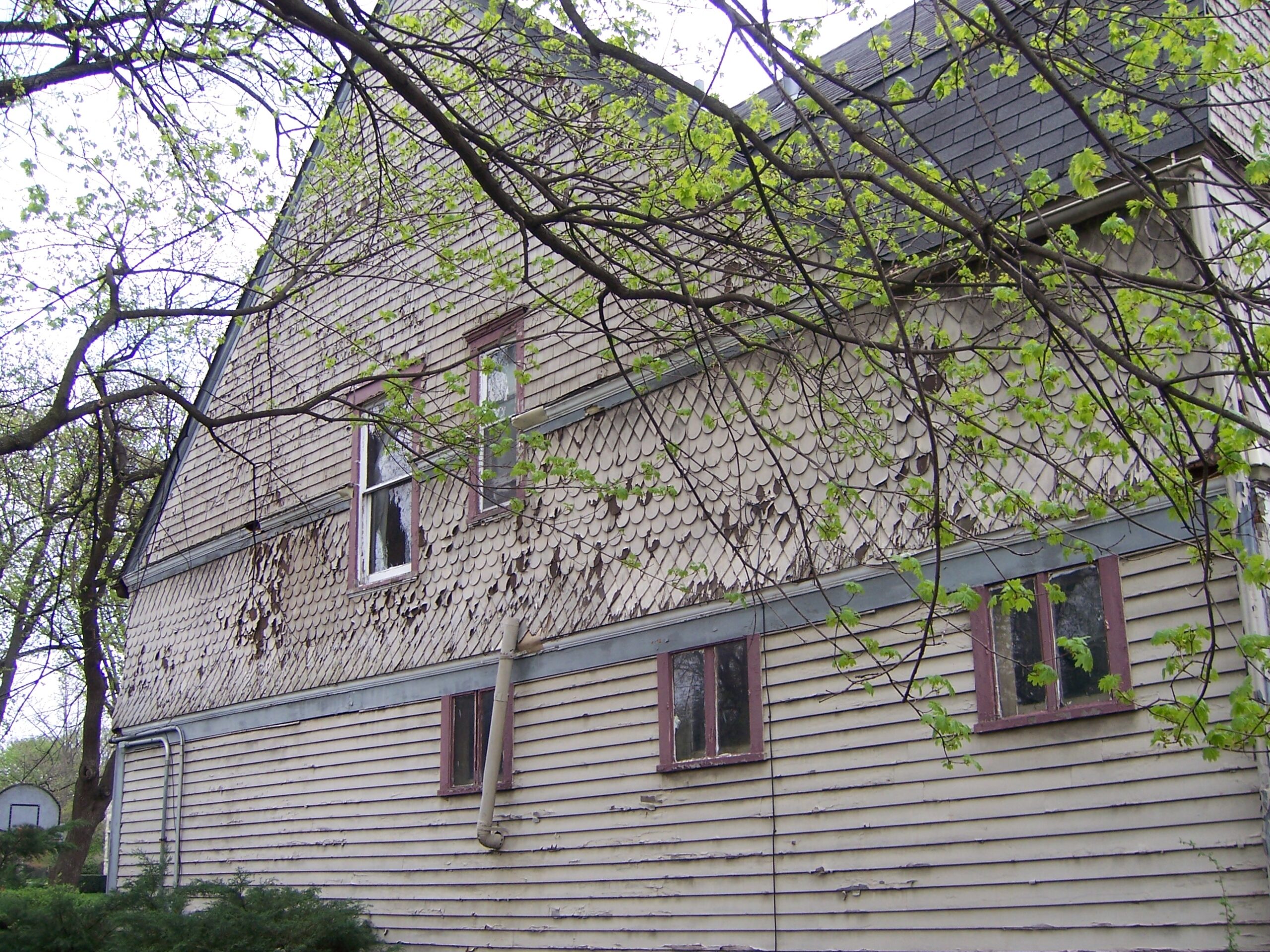
Over time, however, the coach house — like many historic structures — began to show its age. By the early 2000s, it was clear that without intervention, the structure might soon be lost to time. That possibility concerned Elmhurst resident Vince Spaeth.
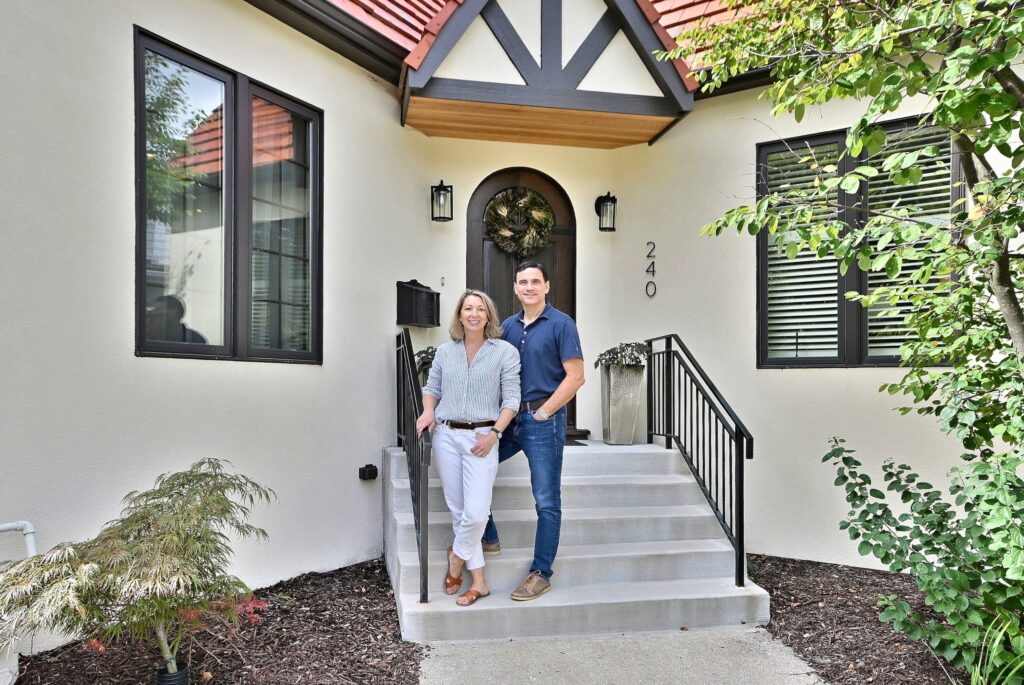
The coach house stood just beyond his backyard fence, and Vince had long admired its character and history. In 2008, he partnered with his neighbor to purchase the coach house and surrounding property, ensuring that this small but meaningful piece of Elmhurst’s past would be preserved.
Given my love for history and Elmhurst, I wanted to see the coach house saved.”
The timing was meaningful in another way as well. The economic downturn of 2008 had left many skilled tradespeople temporarily out of work. Vince brought in contractor friends who had been laid off to help bring the building back to life. Together, they undertook a major rehabilitation.
A Relic of the Past
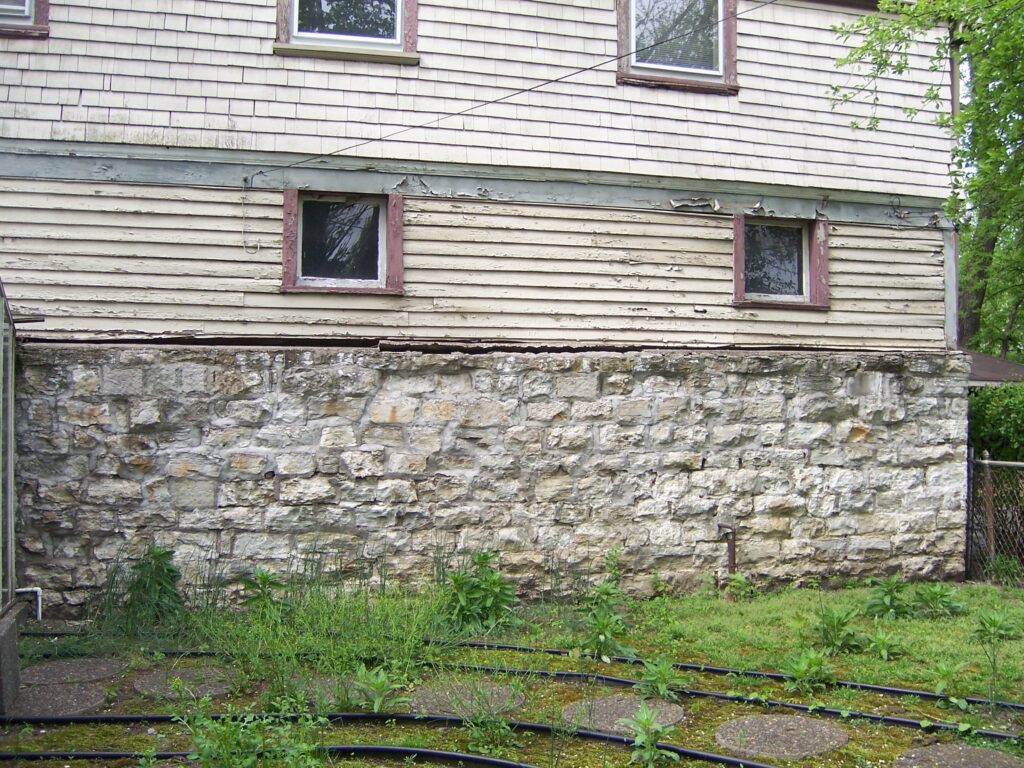
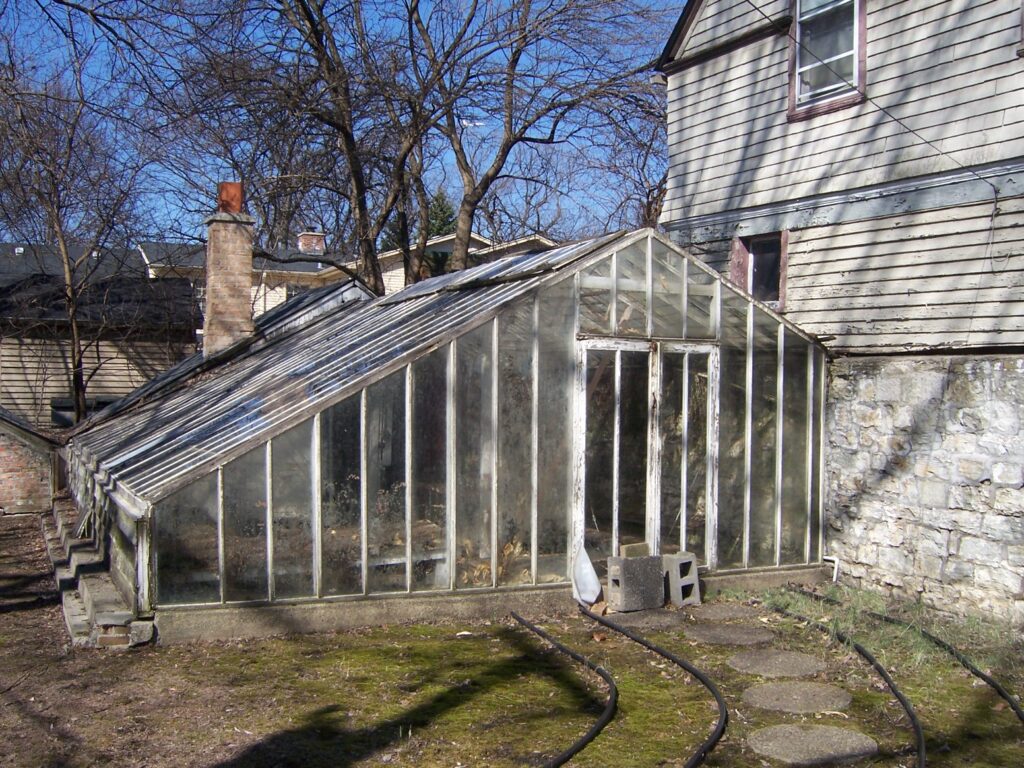
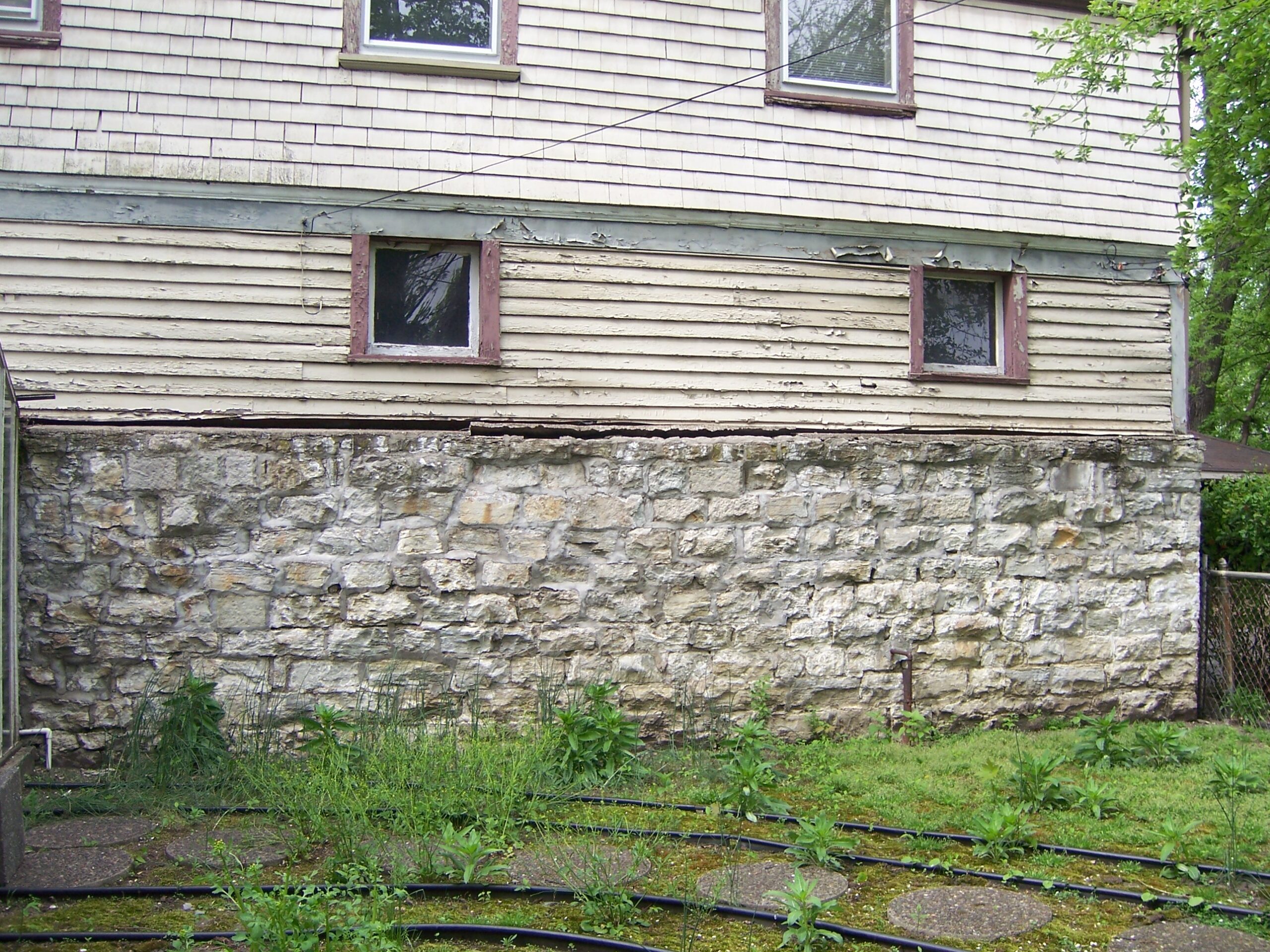
Attached to the south wall of the coach house was a greenhouse and a small boiler room–an arrangement that supported both the working needs of the estate and the rhythms of late-19th-century domestic life.
The Renovation
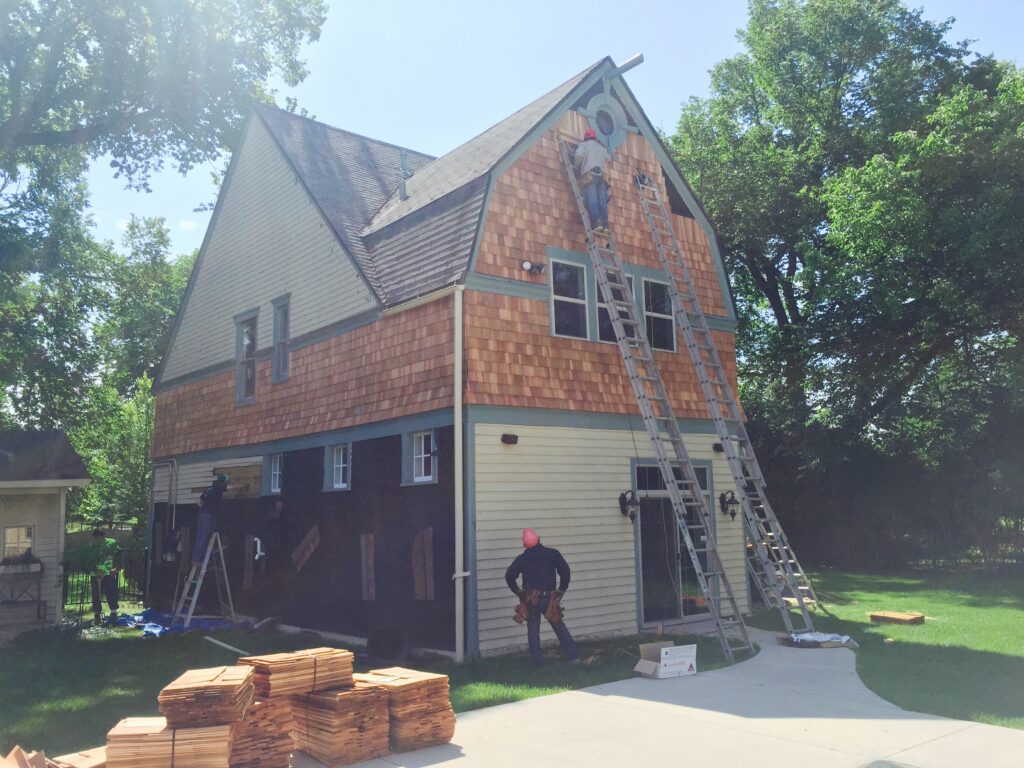
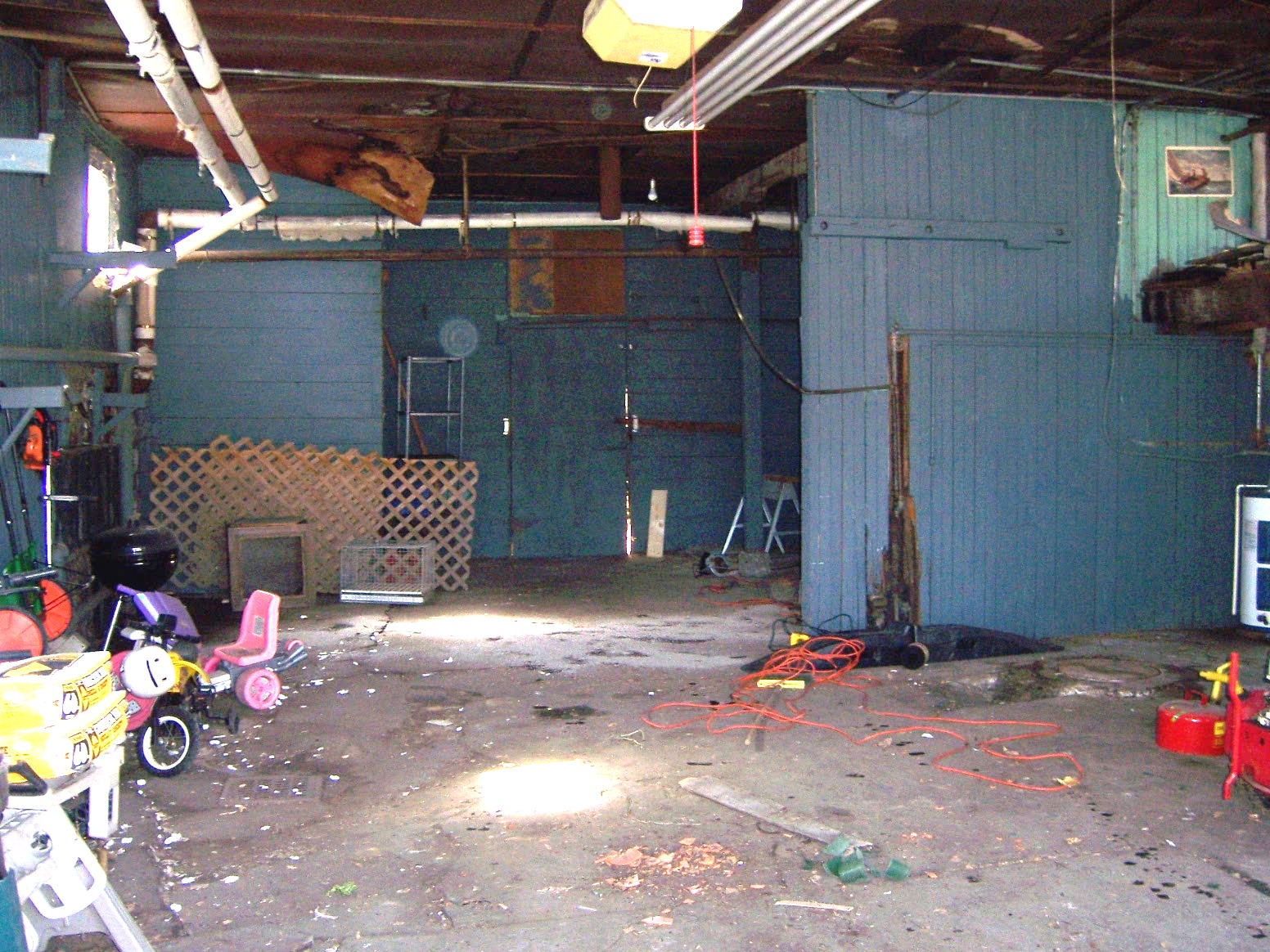
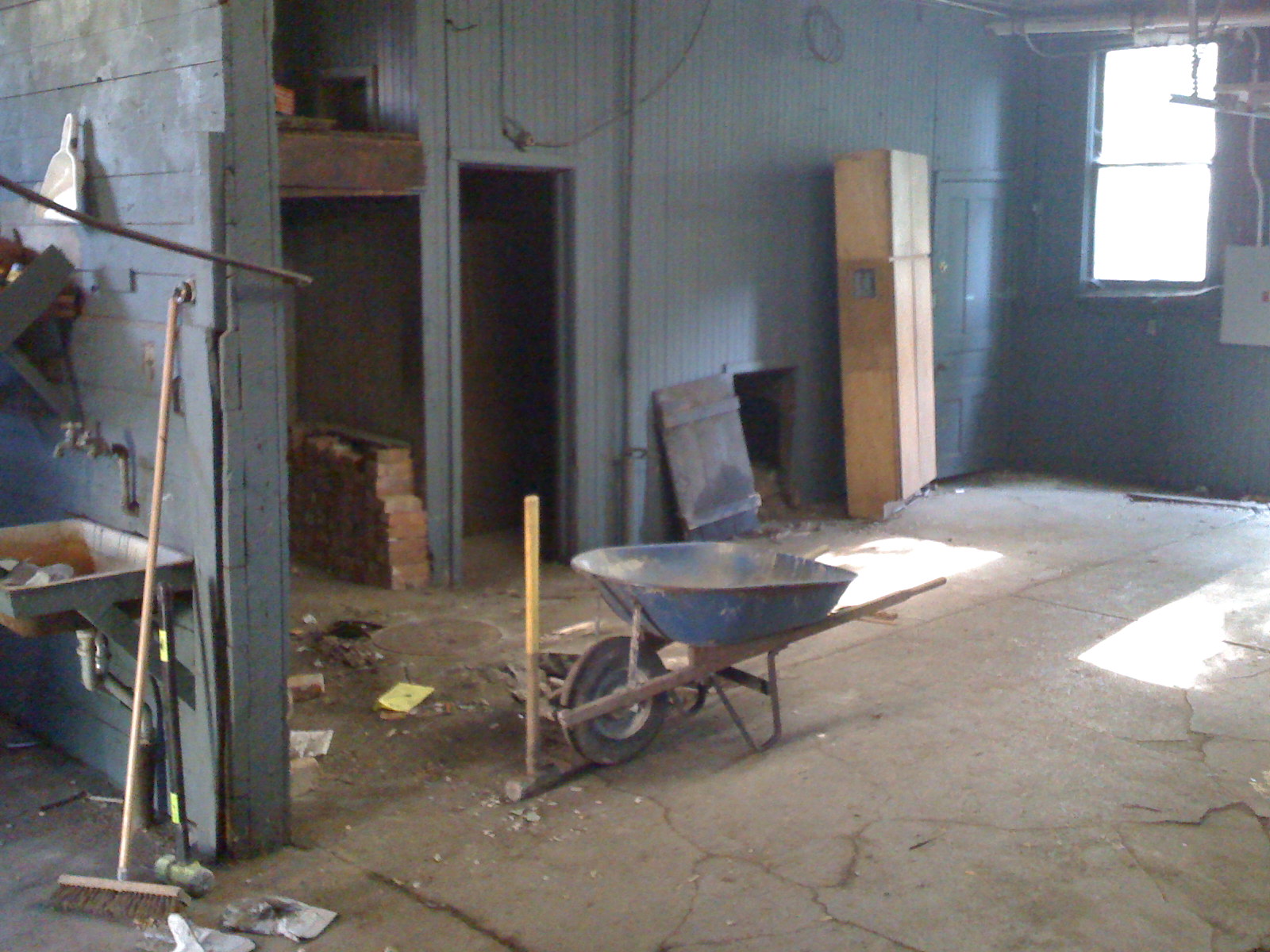
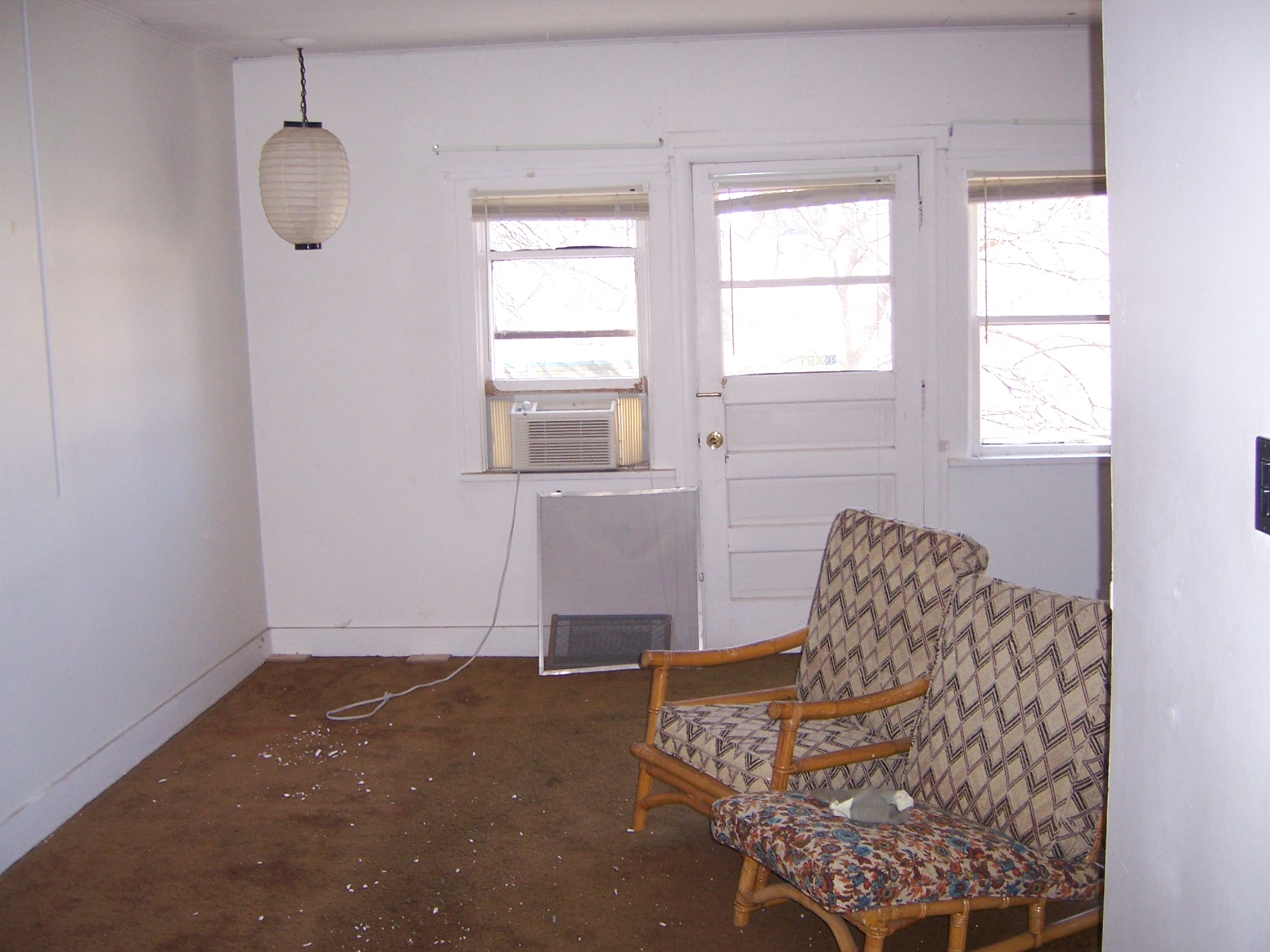
Much of the interior was carefully gutted to make way for new infrastructure while retaining the building’s historic spirit. A new concrete floor was poured, sewers installed, and drywall added over the aging plaster. Insulation, updated electrical systems, and modern heating were introduced to make the space comfortable and functional for today’s needs.
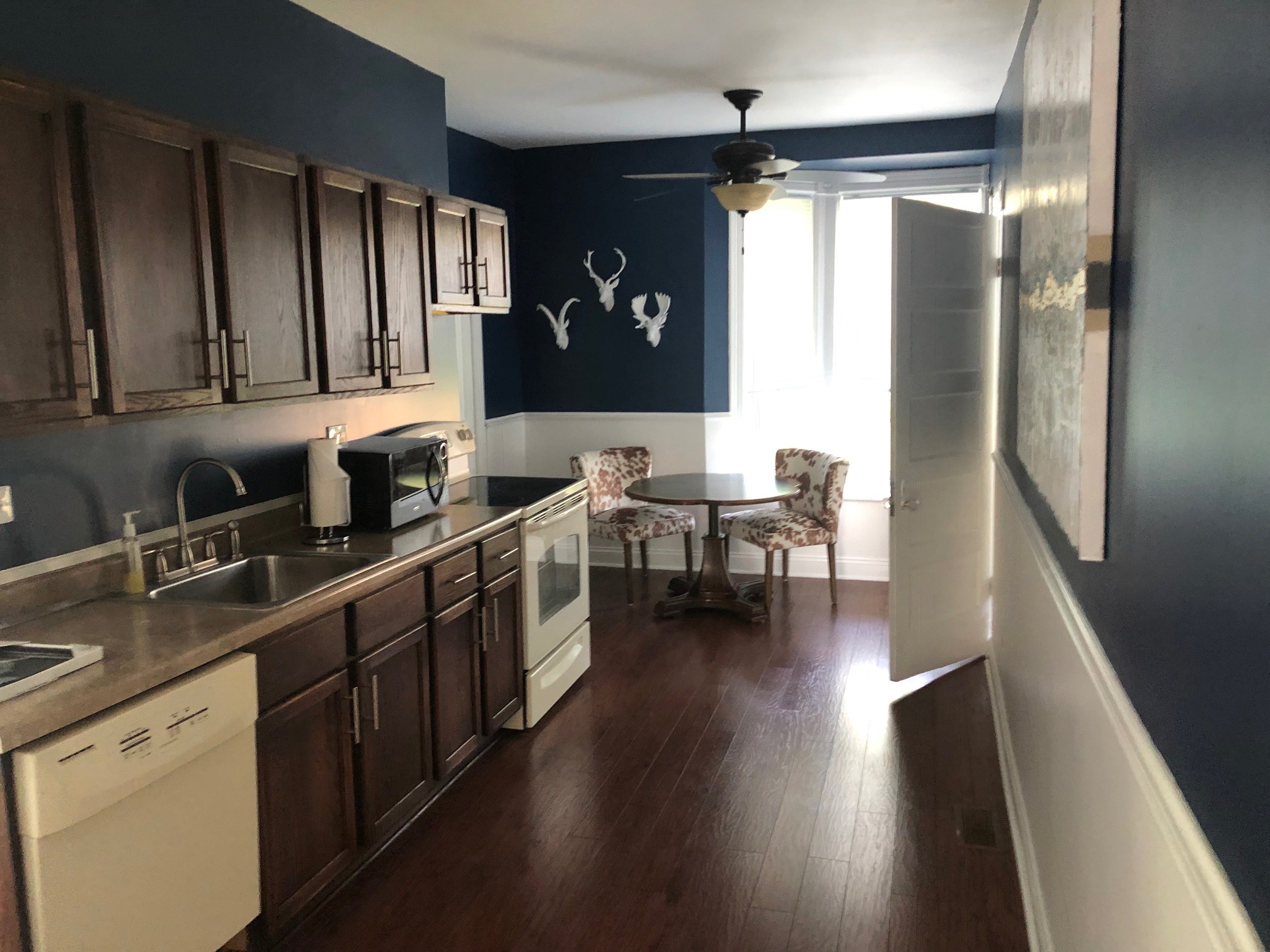
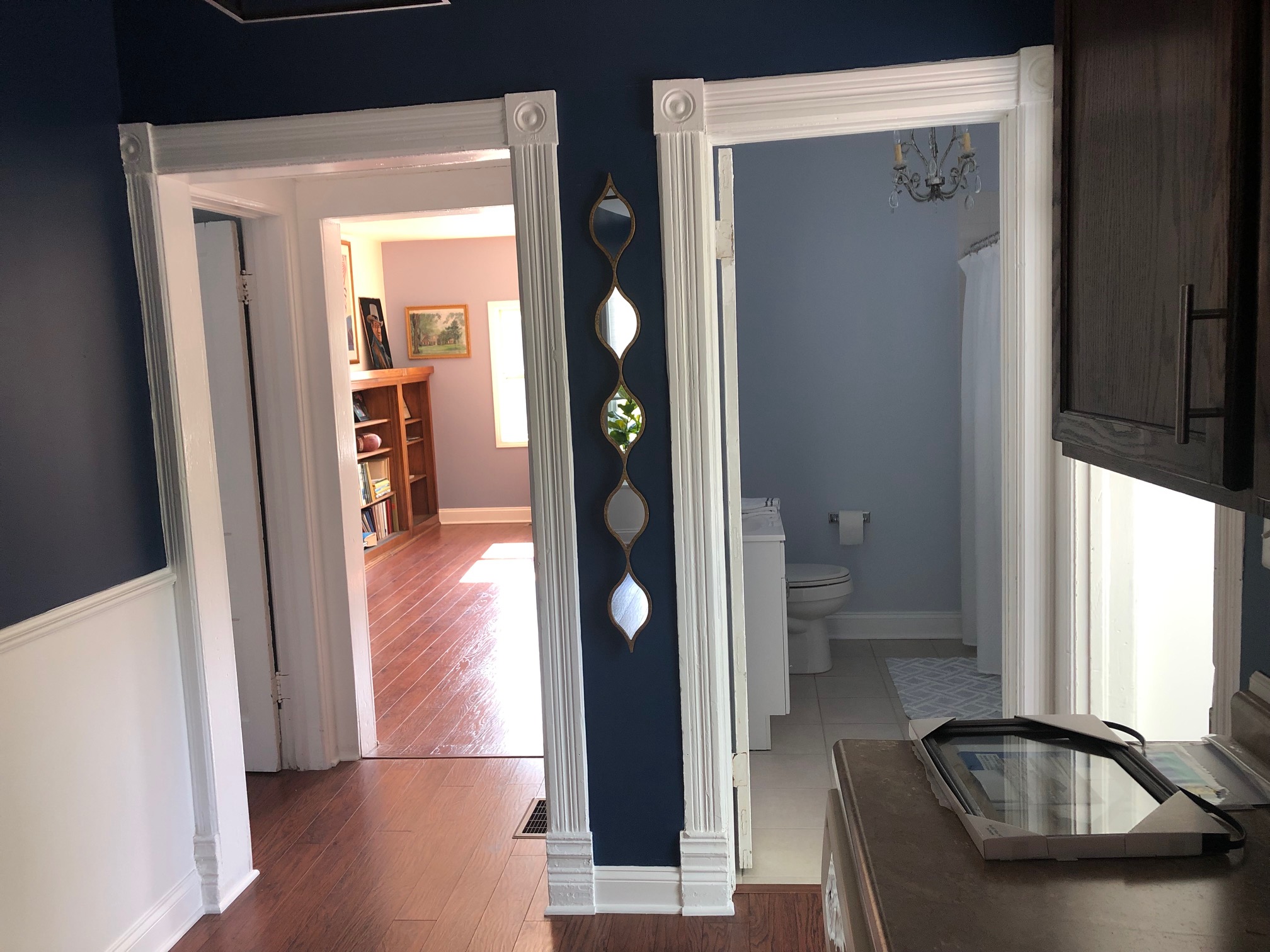
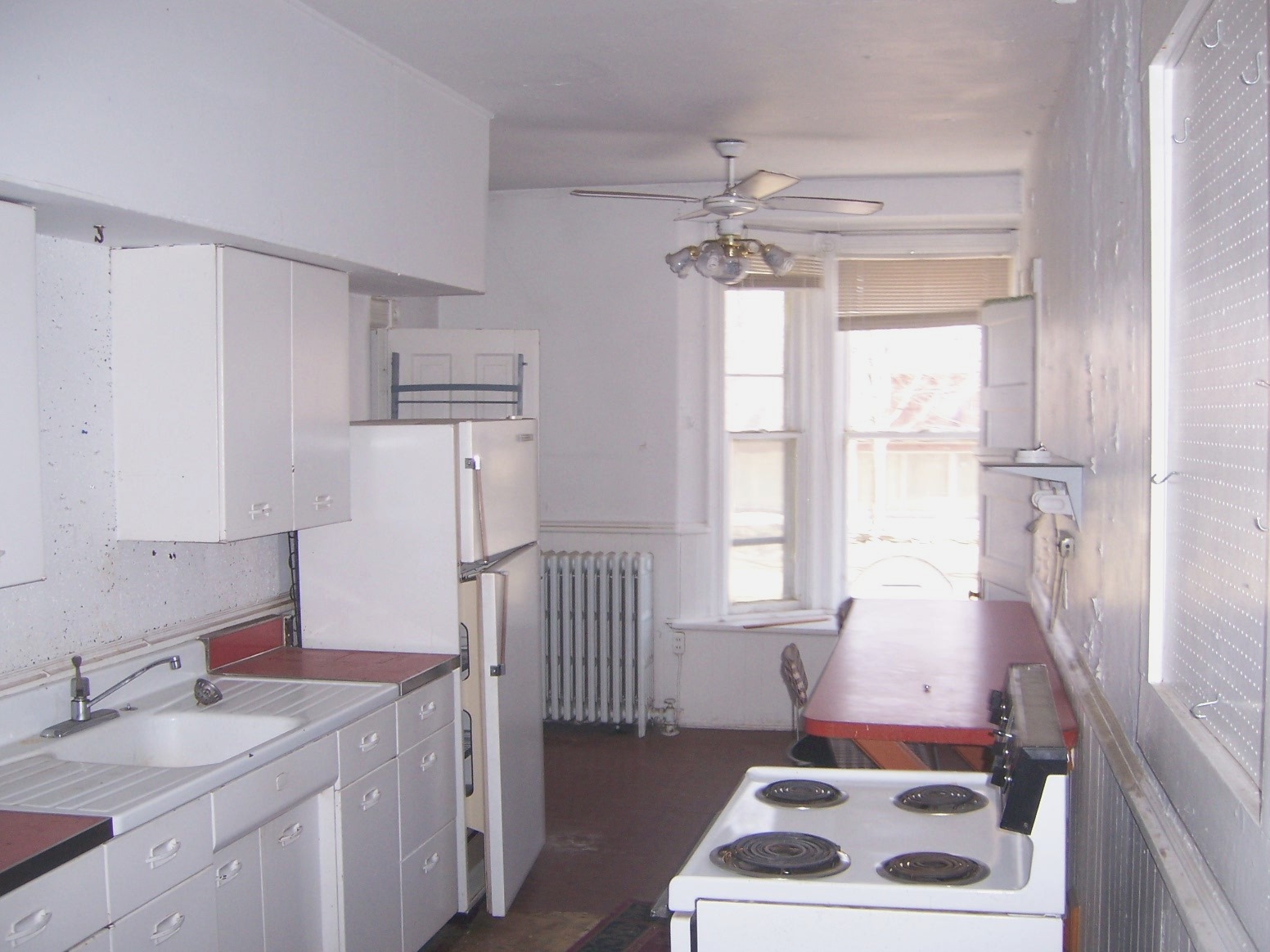
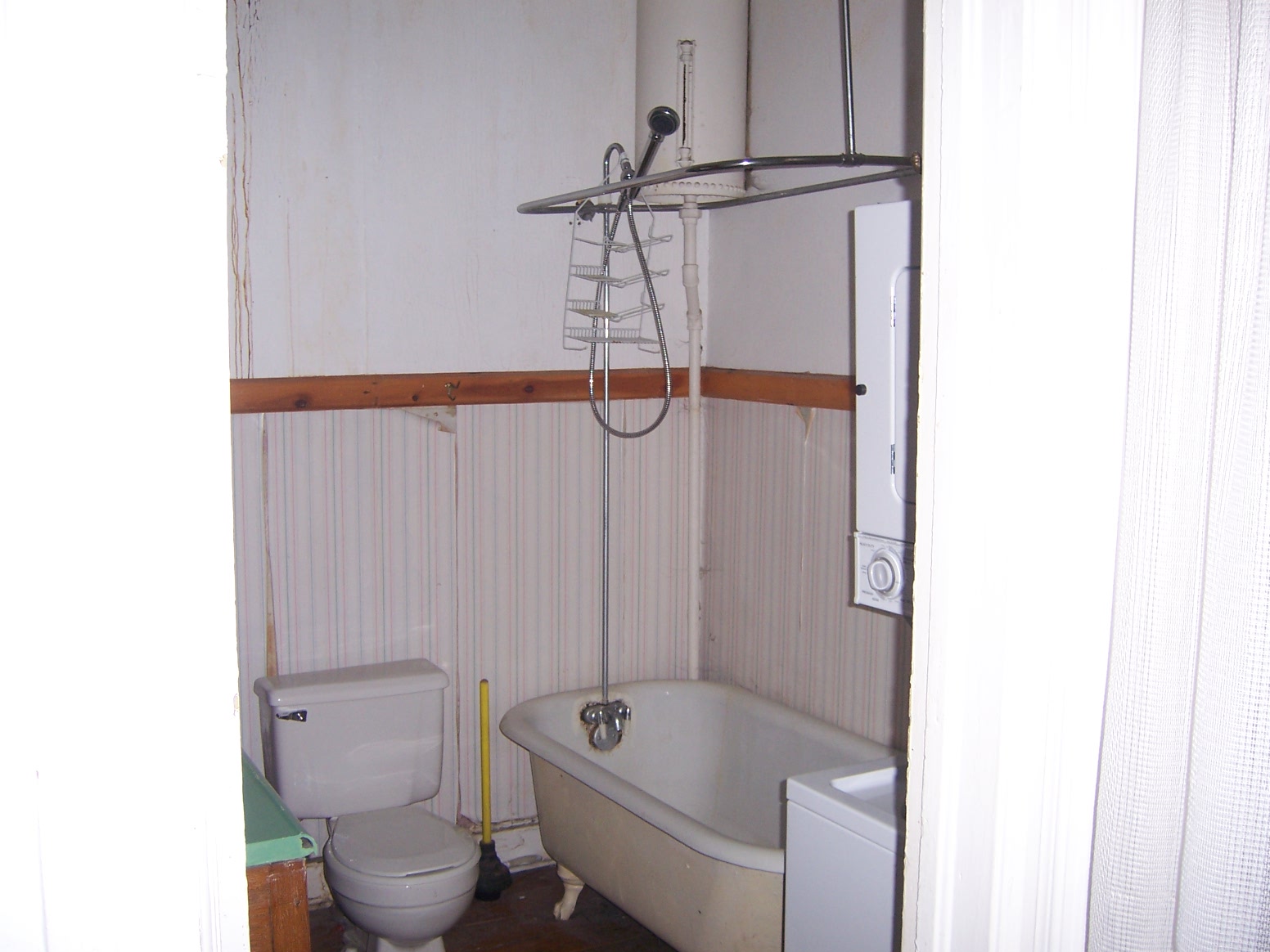
Two kitchens were installed—one on the main floor and one upstairs–along with two bathrooms and a utility room with a washer and dryer. The transformation allowed the building to remain useful while honoring its past.
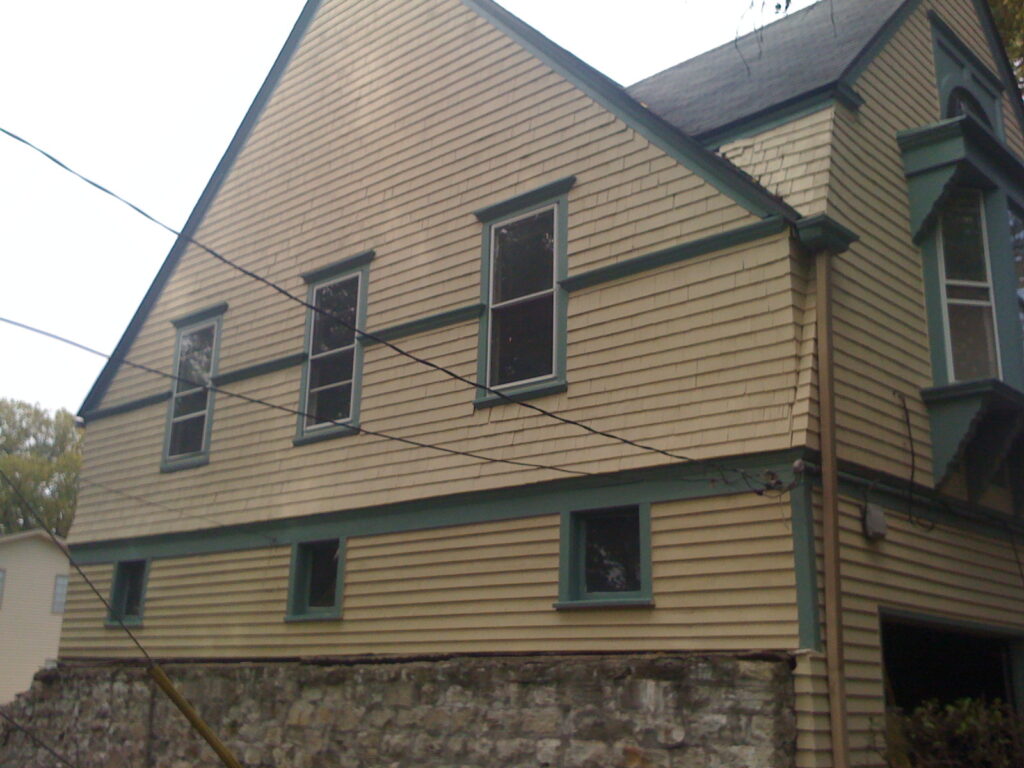
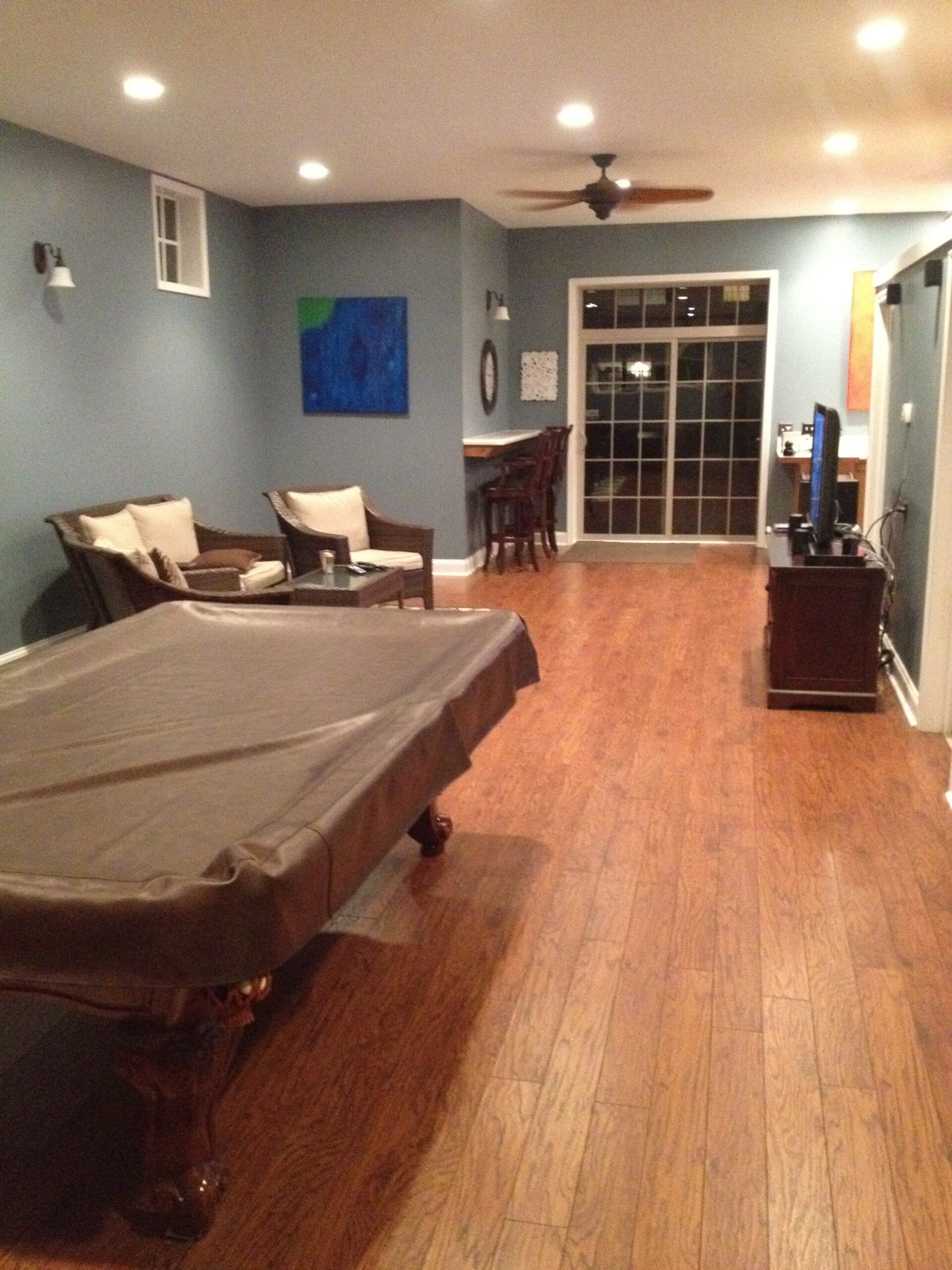
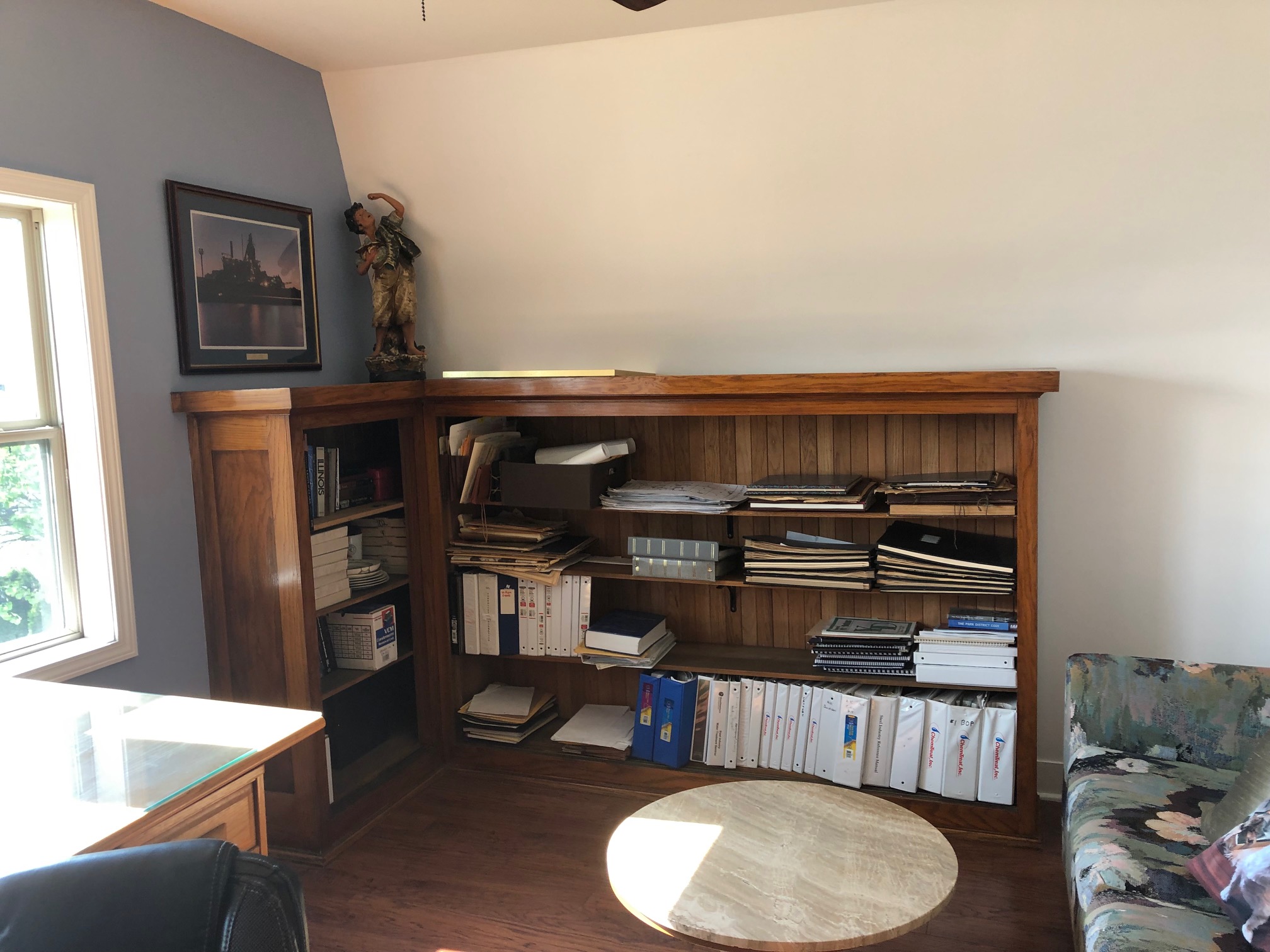
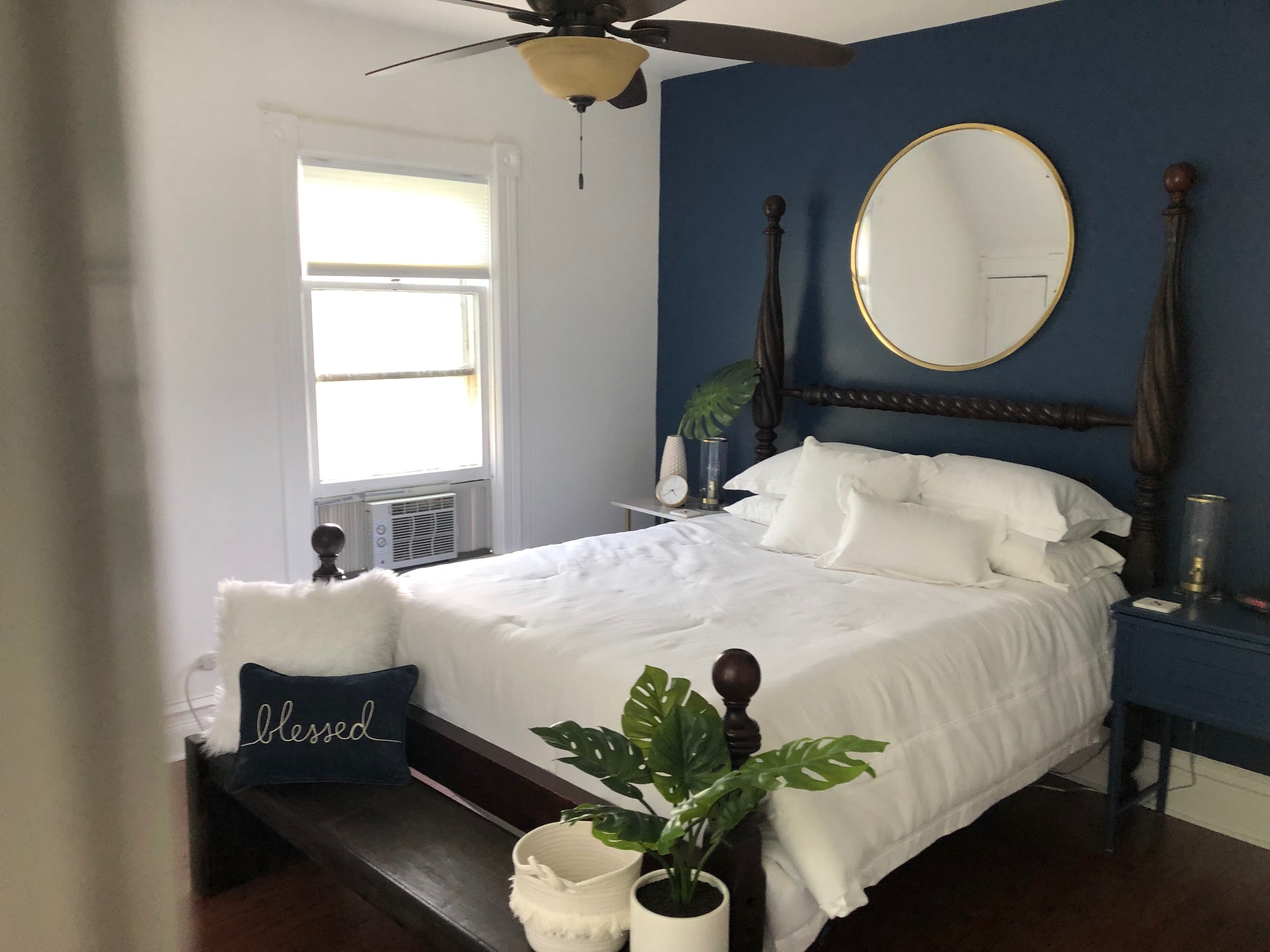
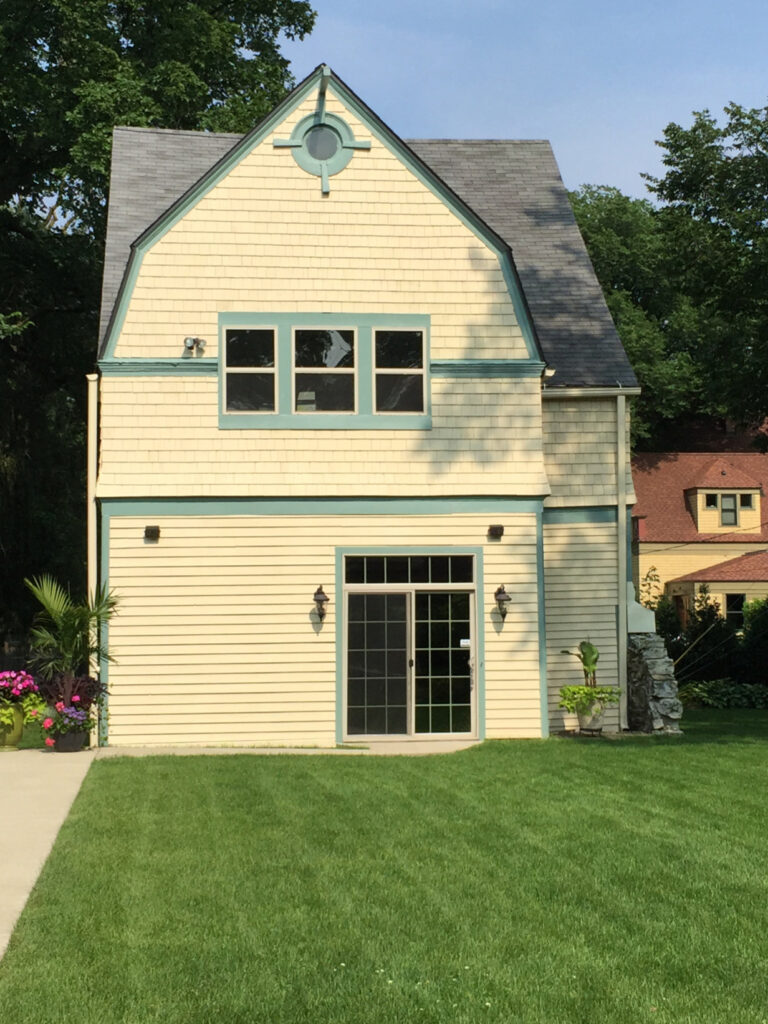
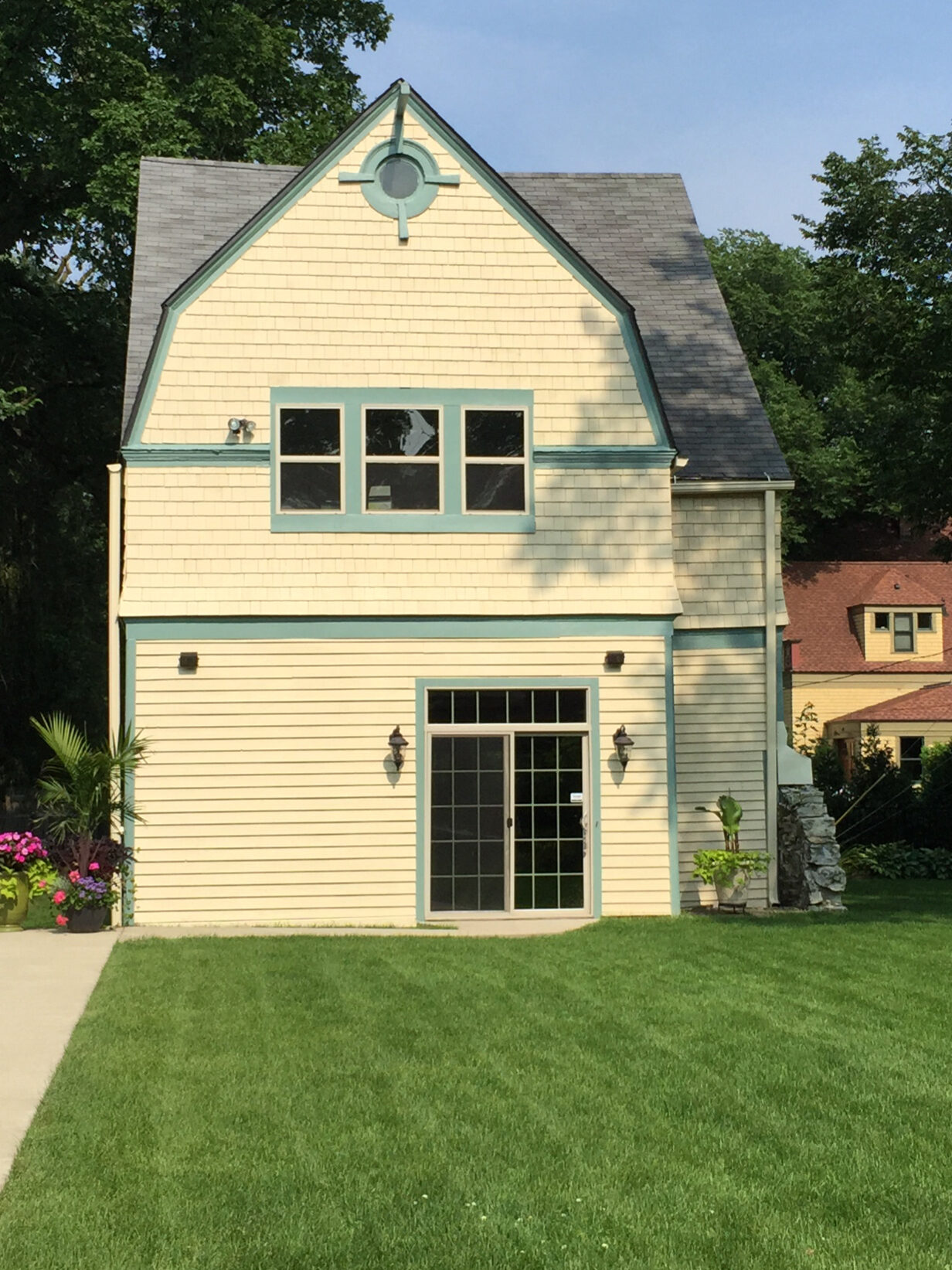
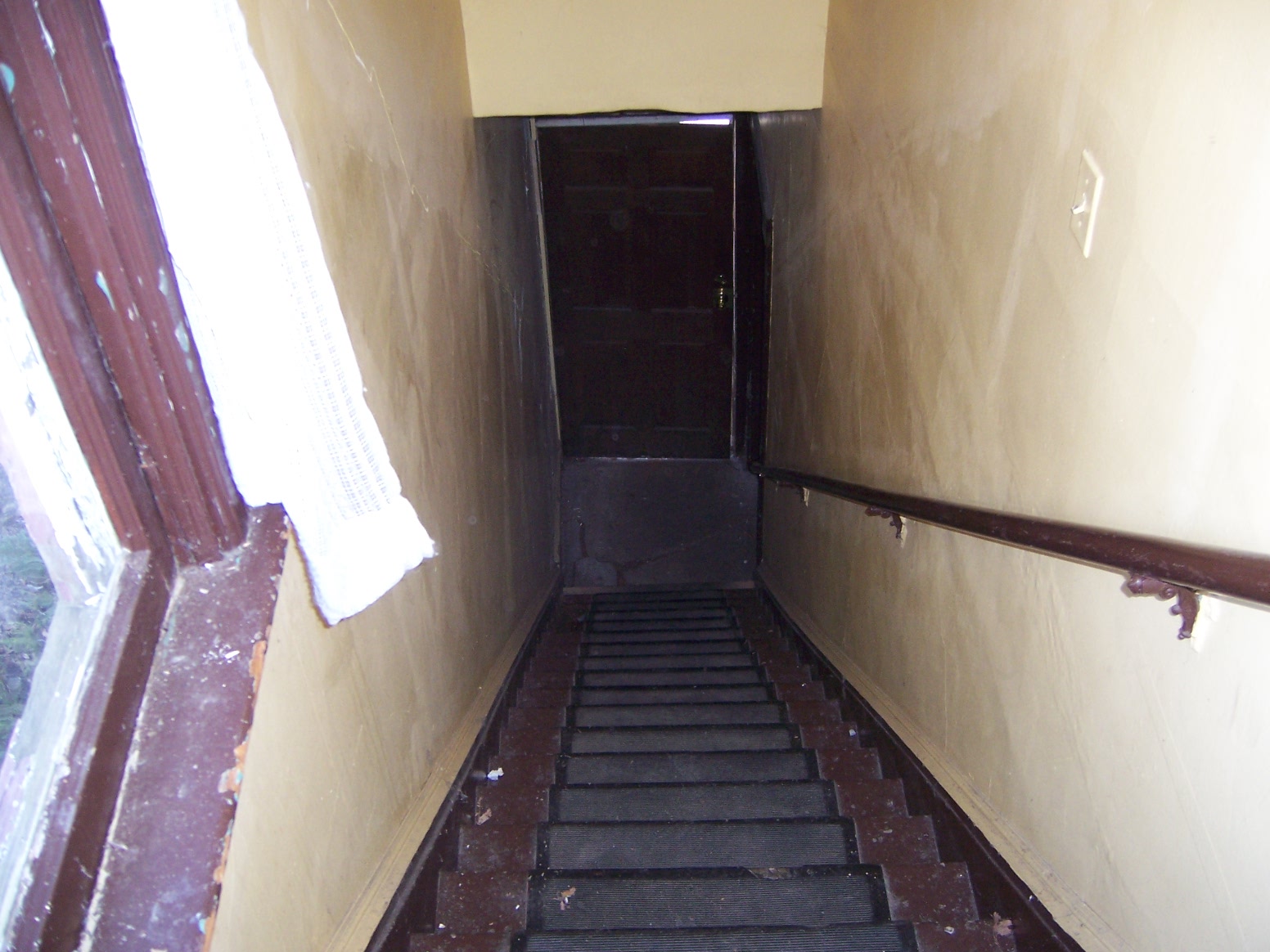
Today, the revitalized coach house has become a cherished extension of the Spaeth family’s home. The first floor now serves as a pool room and recreation space where family and friends gather. The second floor has been converted into a welcoming apartment for guests. Meanwhile, the third floor remains much as it was over a century ago: a grain and hay storage loft with unfinished wooden planks and exposed rafters, reached by a small ladder from the second floor—a quiet reminder of the building’s original purpose.
Only about seven of the village’s once-numerous coach houses still remain today”
A Landmark Saved
The Shadeland coach house is more than an outbuilding; it’s a living piece of Elmhurst history. Thanks to thoughtful preservation and creative reuse, a structure that once housed horses and stored hay now echoes with laughter, welcomes guests, and continues to create new family memories.
This glow-up story is a testament to what can happen when community members choose preservation over demolition. With care, vision, and respect for the past, even a weathered coach house can step gracefully into its next century.
Glow Up Homes celebrates the beauty of transformation. Here we feature classic Elmhurst houses that have been thoughtfully revived—refreshed, renovated, and reimagined for modern living. Each home retains its original charm while featuring many of today’s most desirable comforts and conveniences, from open-concept kitchens to energy-efficient upgrades. Every Glow Up Home has been lovingly saved and given a second chance to shine, and we applaud the owners for their efforts to preserve what makes Elmhurst such a special place to live.
The Shadeland Coach House
In 1892, Lee Sturges and his wife Mary arrived in Elmhurst and built their stately home, Shadeland, at 280 Cottage Hill. As was common for homes of that era, they also constructed a coach house behind the main residence. This outbuilding served an important role in the daily life of the property. The first floor functioned as a carriage house with two horse stalls, a feed chute from above, and space to store carriages. The second floor provided modest living quarters for the household’s servants and gardener, complete with two bedrooms, a kitchen, and a bathroom with a toilet and tub. Above it all, the third floor was dedicated to grain and hay storage, with a steel chute connecting the loft to the floors below for easy feeding of the horses.
Over time, however, the coach house — like many historic structures — began to show its age. By the early 2000s, it was clear that without intervention, the structure might soon be lost to time. That possibility concerned Elmhurst resident Vince Spaeth.
The coach house stood just beyond his backyard fence, and Vince had long admired its character and history. In 2008, he partnered with his neighbor to purchase the coach house and surrounding property, ensuring that this small but meaningful piece of Elmhurst’s past would be preserved.
Given my love for history and Elmhurst, I wanted to see the coach house saved.”
The timing was meaningful in another way as well. The economic downturn of 2008 had left many skilled tradespeople temporarily out of work. Vince brought in contractor friends who had been laid off to help bring the building back to life. Together, they undertook a major rehabilitation.
A Relic of the Past
Attached to the south wall of the coach house was a greenhouse and a small boiler room–an arrangement that supported both the working needs of the estate and the rhythms of late-19th-century domestic life.
The Renovation
Much of the interior was carefully gutted to make way for new infrastructure while retaining the building’s historic spirit. A new concrete floor was poured, sewers installed, and drywall added over the aging plaster. Insulation, updated electrical systems, and modern heating were introduced to make the space comfortable and functional for today’s needs.
Two kitchens were installed—one on the main floor and one upstairs–along with two bathrooms and a utility room with a washer and dryer. The transformation allowed the building to remain useful while honoring its past.
Today, the revitalized coach house has become a cherished extension of the Spaeth family’s home. The first floor now serves as a pool room and recreation space where family and friends gather. The second floor has been converted into a welcoming apartment for guests. Meanwhile, the third floor remains much as it was over a century ago: a grain and hay storage loft with unfinished wooden planks and exposed rafters, reached by a small ladder from the second floor—a quiet reminder of the building’s original purpose.
Only about seven of the village’s once-numerous coach houses still remain today”
A Landmark Saved
The Shadeland coach house is more than an outbuilding; it’s a living piece of Elmhurst history. Thanks to thoughtful preservation and creative reuse, a structure that once housed horses and stored hay now echoes with laughter, welcomes guests, and continues to create new family memories.
This glow-up story is a testament to what can happen when community members choose preservation over demolition. With care, vision, and respect for the past, even a weathered coach house can step gracefully into its next century.
Glow Up Homes celebrates the beauty of transformation. Here we feature classic Elmhurst houses that have been thoughtfully revived—refreshed, renovated, and reimagined for modern living. Each home retains its original charm while featuring many of today’s most desirable comforts and conveniences, from open-concept kitchens to energy-efficient upgrades. Every Glow Up Home has been lovingly saved and given a second chance to shine, and we applaud the owners for their efforts to preserve what makes Elmhurst such a special place to live.
The Shadeland Coach House
In 1892, Lee Sturges and his wife Mary arrived in Elmhurst and built their stately home, Shadeland, at 280 Cottage Hill. As was common for homes of that era, they also constructed a coach house behind the main residence. This outbuilding served an important role in the daily life of the property. The first floor functioned as a carriage house with two horse stalls, a feed chute from above, and space to store carriages. The second floor provided modest living quarters for the household’s servants and gardener, complete with two bedrooms, a kitchen, and a bathroom with a toilet and tub. Above it all, the third floor was dedicated to grain and hay storage, with a steel chute connecting the loft to the floors below for easy feeding of the horses.
Over time, however, the coach house — like many historic structures — began to show its age. By the early 2000s, it was clear that without intervention, the structure might soon be lost to time. That possibility concerned Elmhurst resident Vince Spaeth.
The coach house stood just beyond his backyard fence, and Vince had long admired its character and history. In 2008, he partnered with his neighbor to purchase the coach house and surrounding property, ensuring that this small but meaningful piece of Elmhurst’s past would be preserved.
“Given my love for history and Elmhurst, I wanted to see the coach house saved.”
The timing was meaningful in another way as well. The economic downturn of 2008 had left many skilled tradespeople temporarily out of work. Vince brought in contractor friends who had been laid off to help bring the building back to life. Together, they undertook a major rehabilitation.
A Relic of the Past
Attached to the south wall of the coach house was a greenhouse and a small boiler room–an arrangement that supported both the working needs of the estate and the rhythms of late-19th-century domestic life.
The Renovation
Much of the interior was carefully gutted to make way for new infrastructure while retaining the building’s historic spirit. A new concrete floor was poured, sewers installed, and drywall added over the aging plaster. Insulation, updated electrical systems, and modern heating were introduced to make the space comfortable and functional for today’s needs.
Two kitchens were installed—one on the main floor and one upstairs–along with two bathrooms and a utility room with a washer and dryer. The transformation allowed the building to remain useful while honoring its past.
Today, the revitalized coach house has become a cherished extension of the Spaeth family’s home. The first floor now serves as a pool room and recreation space where family and friends gather. The second floor has been converted into a welcoming apartment for guests. Meanwhile, the third floor remains much as it was over a century ago: a grain and hay storage loft with unfinished wooden planks and exposed rafters, reached by a small ladder from the second floor—a quiet reminder of the building’s original purpose.
“Only about seven of the village’s once-numerous coach houses still remain today”
A Landmark Saved
The Shadeland coach house is more than an outbuilding; it’s a living piece of Elmhurst history. Thanks to thoughtful preservation and creative reuse, a structure that once housed horses and stored hay now echoes with laughter, welcomes guests, and continues to create new family memories.
This glow-up story is a testament to what can happen when community members choose preservation over demolition. With care, vision, and respect for the past, even a weathered coach house can step gracefully into its next century.